
The gaming industry has grown into a global powerhouse, generating billions of dollars in revenue each year. With an ever-expanding audience spanning different demographics and interests, gaming companies and developers must leverage effective digital marketing strategies to stand out in a competitive marketplace. Reaching the right audience, building brand recognition, and sustaining player engagement require innovative approaches tailored to the digital world. Digital marketing services play a crucial role in achieving these objectives by employing data-driven strategies, creative content, and targeted campaigns.
Partner With Us for Digital Marketing Services for Games, Gaming Companies, and Game Developers
Email us if you need help across multiple digital marketing channels for any game and platform, or use the form below to get started!


Understanding the Gaming Market
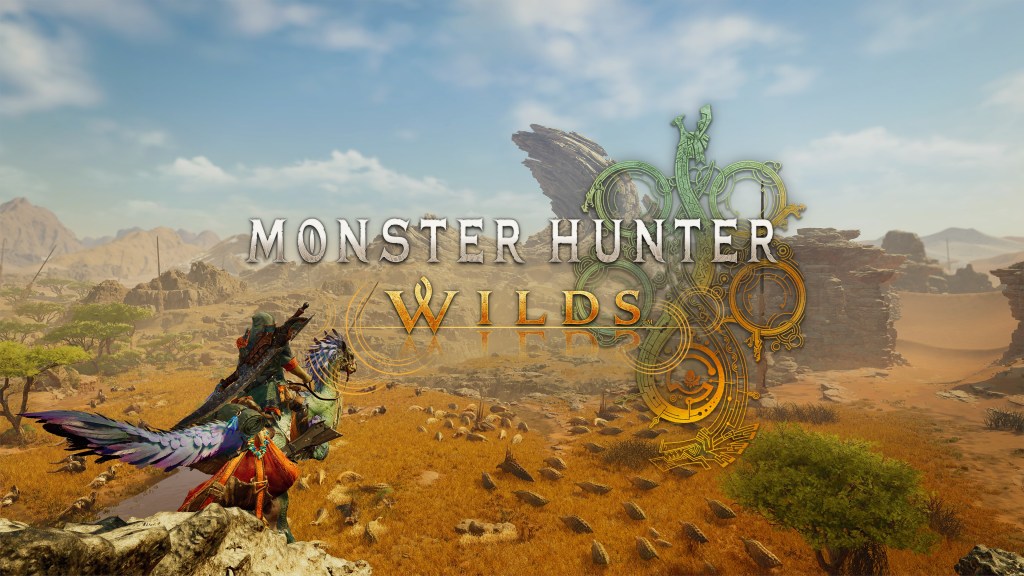
Gaming companies operate in a unique digital ecosystem where trends change rapidly, and user preferences evolve constantly. Players engage with games on multiple platforms, including PC, console, and mobile, and often rely on online communities, influencers, and social media for recommendations. This interconnected landscape makes digital marketing an essential tool for game developers looking to expand their reach and establish a strong player base.
In an industry fueled by engagement, the ability to attract, retain, and convert players is critical. Successful digital marketing campaigns use a mix of organic and paid strategies to generate excitement before a game’s release, sustain interest post-launch, and encourage continued player participation through updates, expansions, and live events. A strong marketing strategy ensures that gaming companies remain competitive while fostering long-term relationships with their audience.
Key Digital Marketing Services for Gaming Companies
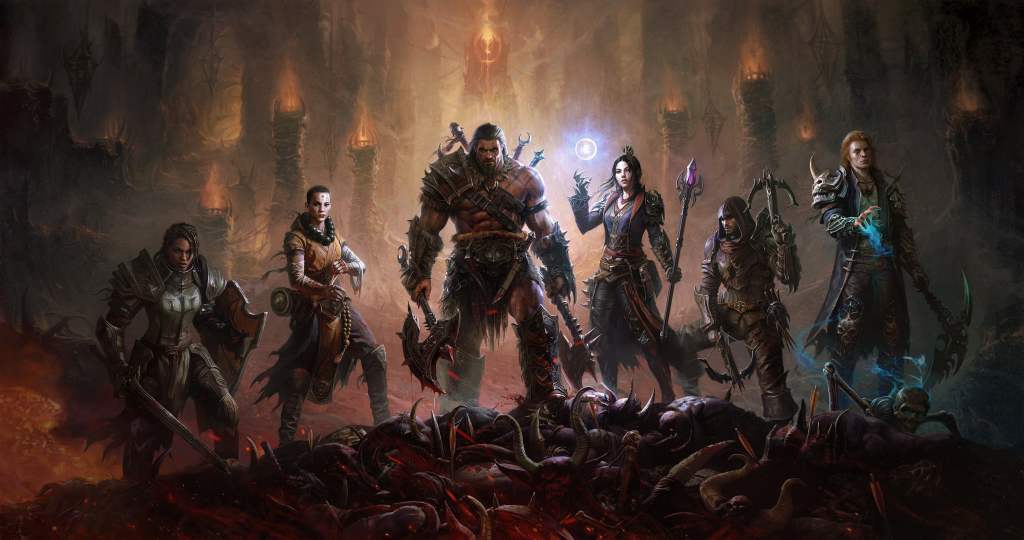
Effective digital marketing for gaming companies involves a combination of branding, content marketing, influencer partnerships, paid advertising, and community management. Each of these services plays a vital role in establishing a game’s presence and ensuring its long-term success in the market.
Branding and Identity Development for Game Developers
Branding and identity development are crucial in distinguishing a game from others in the industry. Creating a compelling visual identity, consistent messaging, and an engaging storyline can enhance a game’s marketability. A well-defined brand resonates with players, making them more likely to develop an emotional connection to the game and its universe.
Game Content Marketing
Game content marketing is another powerful tool in a gaming company’s digital strategy. Developers and publishers must create high-quality content that captures attention and keeps players engaged. Blogs, game trailers, behind-the-scenes videos, developer diaries, and interactive content like quizzes and polls help maintain enthusiasm. The goal is to create an ongoing narrative that builds excitement and deepens player involvement in the gaming world.
Influencer Marketing for Games
Influencer marketing has become a dominant force in the gaming industry. Many players look to content creators on platforms like YouTube, Twitch, and TikTok for recommendations and gameplay insights. Partnering with gaming influencers enables companies to showcase their games authentically, leveraging trust and credibility among dedicated gaming communities. A well-executed influencer marketing campaign can result in increased visibility, higher engagement rates, and a surge in downloads or purchases.
Paid Advertising for Game Devs
Paid advertising plays a crucial role in reaching targeted audiences quickly. Digital ads on social media platforms, Google, and gaming-specific websites help developers reach players who are most likely to be interested in their games. Data-driven campaigns using pay-per-click (PPC), display advertising, and retargeting strategies ensure that promotional efforts generate maximum impact. Personalized ads that align with user behavior and interests lead to higher conversion rates and improved return on investment.
Community Management for Games
Community management is essential for building a loyal fan base. Gaming communities thrive on interaction, and companies that actively engage with their audience can create long-term relationships with players. Social media platforms, Discord servers, and dedicated game forums serve as hubs where players can discuss their experiences, share content, and receive updates directly from developers. Strong community engagement fosters trust, encourages word-of-mouth promotion, and enhances player retention.
Common Digital Marketing Campaigns Used by Large Game Developers
Large game developers employ sophisticated digital marketing campaigns to maximize their reach and impact. These campaigns are designed to generate excitement before launch, sustain engagement post-release, and encourage long-term player investment.
Pre-Launch Campaigns
Pre-launch campaigns focus on building anticipation for a game before its official release. This includes teaser trailers, countdown campaigns, beta testing invitations, and exclusive pre-order bonuses. Developers use social media platforms to reveal game details strategically, keeping players engaged with interactive content and behind-the-scenes insights. Live events, such as online showcases and developer Q&A sessions, further increase interest and encourage fans to share their enthusiasm.
Launch Campaigns
Launch campaigns are critical for making a strong first impression. Game developers implement aggressive advertising strategies, including sponsored social media posts, influencer partnerships, and large-scale digital ad placements. Coordinated efforts across multiple channels ensure that the game reaches the widest possible audience on its release day. Simultaneously, game reviews and player testimonials help shape public perception and drive further interest.
Post-Launch Campaigns
Post-launch campaigns focus on retaining players and sustaining long-term engagement. Developers introduce downloadable content (DLC), seasonal events, in-game rewards, and live service updates to maintain interest. Social media engagement, regular developer updates, and community-driven initiatives keep players invested in the game world. Post-launch marketing also includes re-targeting campaigns aimed at re-engaging inactive players and encouraging them to return.
Competitive Gaming Campaigns and eSports
Esports and competitive gaming campaigns are popular among major developers. Sponsoring tournaments, organizing official competitive leagues, and collaborating with professional gaming teams elevate a game’s visibility within the esports community. These campaigns attract highly engaged players, generate global exposure, and reinforce the game’s presence in the industry.
Cross-Promotional Campaigns
Cross-promotional campaigns leverage partnerships with other brands, franchises, or entertainment properties. Many large developers collaborate with film studios, TV shows, and merchandise companies to create synergy between different forms of media. These partnerships expand a game’s audience and introduce it to new potential players.
UGC Campaigns
User-generated content campaigns harness the creativity of the gaming community. Encouraging players to share their in-game experiences through videos, screenshots, and fan art builds organic engagement. Some developers host contests, where players can submit content for rewards, further driving excitement and interaction within the community.
The Future of Digital Marketing for Gaming Companies
As gaming technology evolves, so do digital marketing strategies. The rise of artificial intelligence, machine learning, and virtual reality has opened new possibilities for immersive marketing campaigns. Personalization and data-driven insights enable developers to create hyper-targeted campaigns that resonate with specific audience segments.
Social media trends continue to shape how gaming companies interact with players. The increasing popularity of short-form video content and interactive storytelling has changed how developers market their games. Platforms like TikTok, Instagram Reels, and live-streaming services provide real-time engagement opportunities that keep audiences interested and invested.
The integration of blockchain technology and NFTs is also influencing digital marketing within the gaming industry. Some developers are exploring ways to enhance player ownership and engagement through blockchain-powered assets. This innovation presents new opportunities for monetization and player retention.
The gaming industry is more competitive than ever, and digital marketing remains a fundamental driver of success. Developers who embrace innovative marketing approaches, foster community engagement, and leverage data-driven strategies will continue to thrive in an ever-evolving landscape. As gaming expands into new frontiers, the role of digital marketing will only become more essential in shaping the industry’s future.
 Digital Marketing Services and Content Outsourcing Philippines