You’re a business owner or marketer, and you’ve probably heard it a thousand times: you need to create an ebook. They’re a staple of content marketing, a powerful tool for generating leads and a great way to show off your expertise. But let’s be honest, the vast majority of them are… well, they just aren’t very good.
Think about it. How many times have you downloaded an ebook only to find it’s a glorified blog post? Or it’s a rehash of something you’ve already seen? Or it’s so dry and academic that you click away after the first paragraph?
It’s a common problem. My clients often come to me with an ebook at the very top of their content creation list. They see the potential, and they’re right to. When done well, ebooks can be incredible for lead generation and for educating your customers. But the key phrase here is “when done well.”
So, what separates the truly great ebooks from the ones that gather digital dust? The answer lies in avoiding these five common mistakes.
Mistake 1: Being Redundant. (Don’t Write the Same Ebook as Everyone Else)
Before you even start writing, take a step back and do some research. Go on Google and search for the topic you’re planning to write about. What’s already out there? Are there a dozen other ebooks on the exact same subject?
If the answer is yes, and they’re well-written and easy to find, you need to change your game plan.
It’s tempting to think you can do it better, but the reality is you’re just adding to the noise. Your potential customers are already overwhelmed with information. They don’t need another version of the same thing. They need something new, something that addresses a different angle of the problem, or a different problem entirely.
What to do instead: Find your unique angle. Don’t write about “The Top 5 Ways to Improve Your SEO” if that’s already a saturated market. Instead, focus on a niche area, like “SEO for Local Bakeries” or “Using AI to Streamline Your Content Creation Process.”
Find a gap in the existing content and fill it. This is how you demonstrate true expertise and provide real value. You’re not just repeating what’s already been said; you’re adding to the conversation.
Mistake 2: Writing for Everyone. (Niche Down to Win Big)
“Content for everyone is content for no one.” It’s a cliché for a reason.
Many people make the mistake of trying to cast a wide net with their ebook. They think that by addressing a general audience, they’ll attract more people. In reality, they’re attracting no one in particular.
Think about the last time you read a piece of content that felt like it was written specifically for you. It probably used language you understood, referenced challenges you faced, and provided solutions that were directly applicable to your situation. That’s the feeling you want to create with your ebook.
What to do instead: Pick one specific buyer persona in one specific vertical. Be hyper-specific. Don’t write an ebook on “Sales Strategies for Small Businesses.” Instead, write an ebook on “Sales Strategies for Boutique Fashion Retailers.”
Once you’ve created that first, highly targeted ebook, you can easily repurpose it for other audiences. You can tweak the introduction, change the examples, and adjust the vocabulary to resonate with a different vertical. But start with that single, focused piece. It’s the foundation for everything else.
Mistake 3: Giving Away Too Little. (This Isn’t a Blog Post)
I see this all the time. An ebook that’s 500 words long and barely scratches the surface of the topic. The title promises a solution, but the content delivers a few vague tips and then encourages you to “contact us for more information.”
This approach doesn’t build trust; it erodes it. Your audience feels like they’ve been tricked into giving you their email address for a piece of content that was essentially a sales pitch.
Remember, an ebook is not a blog post. It’s a complete, in-depth guide that fully answers or provides a solution to one single, micro-problem.
What to do instead: Don’t be afraid to give away your best stuff. Your ebook should be so valuable that your audience feels like they’ve gotten a complete answer to one specific challenge they’re facing.
Let’s say you’re a marketing consultant. Instead of an ebook with 10 general marketing tips, create an ebook that provides a step-by-step guide on “How to Set Up Your First Google Ads Campaign from Scratch.” Walk them through the entire process, from keyword research to ad copy and budget setting. When you solve that one micro-problem for them, they’ll realize you’re the person they need to hire to solve the entire problem.
Your goal is to become the go-to resource, not just a content producer.
Mistake 4: Treating It Like a Text Piece. (Design Is Everything)
You’ve written a brilliant, in-depth guide. Now you’ve slapped it all into a Word document and saved it as a PDF. And just like that, you’ve created a whitepaper. (Are those still alive? Debatable.)
Ebooks are visual pieces of content. They are highly designed, visually branded, and easy to scan. A wall of text is intimidating. A well-designed ebook, with high-quality graphics, bold headings, and strategic use of white space, is inviting and professional.
What to do instead: Treat your ebook as a mini-magazine. Get a professional designer on board. They will help you create a visually appealing document that reflects your brand identity. They’ll choose the right fonts, colors, and imagery to make the content easier to digest and more engaging.
An ebook that looks good tells your audience that you’re a professional who cares about quality, not just the information, but how that information is presented. A slick design makes your content feel more valuable and credible, and that can make all the difference.
Mistake 5: Gating It. (Give Your Best Stuff Away for Free)
This is a controversial one, I know. The entire purpose of a lead magnet is to capture emails, right? But what if you could get something even more valuable in return?
When you gate your ebook, you create friction. You’re asking for a transaction (an email address) before you’ve even proven your value. This can cause some people to drop off, even if they were interested in the content.
What to do instead: Make your ebook ungated. That’s right. No form, no email address required. Just a direct download link.
By doing this, you’re not giving up the chance to get emails; you’re getting something entirely different in return: trust and credibility, without any friction. You’re showing your audience that you’re so confident in the value of your content that you’re willing to give it away freely.
The people you want to work with will find their way to you. They’ll read your ebook, be blown away by the value, and start following you on social media, subscribing to your newsletter, or even reaching out to you directly. They’ll become your biggest fans because you’ve demonstrated your expertise and generosity upfront.
So, here’s the golden rule for your next ebook:
✨ Your ebook should be a complete answer to one aspect of a customer’s problem. ✨
Stop writing generic, sales-y, poorly designed ebooks. Instead, create something of real, tangible value that your audience will thank you for. When you focus on providing genuine solutions and building trust, you’ll find that the leads—and the business—will naturally follow.
Do you need to write an ebook? Talk to us or use the form below if you need to take a deep breath before typing!
In the fast-paced world of publishing, the demands on authors, literary agencies, and publishing houses have never been greater. The pressure to produce high-quality, compelling content on an aggressive timeline is immense, often leaving even the most prolific writers feeling overwhelmed.
Between research, outlining, drafting, and editing, the journey from a nascent idea to a published work is a marathon that requires significant time, energy, and resources. For authors with a proven track record, a new book is a necessity for staying relevant and maintaining their brand. For literary agencies and publishing houses, a full pipeline of stellar manuscripts is the lifeblood of their business.
This is where The Content Experts steps in. We understand these pressures because we’ve lived them. Our mission is to provide a seamless, professional, and entirely white-label solution to a global problem: the bottleneck of content creation.
Our service is designed to be your strategic partner, offering US market-ready ghostwriting that not only meets but exceeds expectations. We believe that by providing access to a highly skilled and dedicated team of Filipino ghostwriters, we can help you ease your worries, meet your contractual obligations, and ultimately, bring a smile to your face with every finished product.
The Ghostwriting Service in the Philippines for Every Writing Need
The Content Experts is more than just a ghostwriting service; we are a dedicated collective of professional writers, editors, and publishing support specialists.
Our team brings a combined 25 years of experience to the table, and we’ve honed our craft by serving a diverse clientele across North America.
We operate on a foundation of trust, discretion, and an unwavering commitment to quality. Our services are entirely “white label,” which means your name, your brand, and your vision are always at the forefront. We seamlessly integrate with your existing workflow, becoming the invisible force behind your published success.
Our process is built on a collaborative spirit. We begin every project with a deep dive into your unique voice, your target audience, and your desired outcome. We are experts at capturing an author’s distinct tone, ensuring that the final manuscript sounds as if it were written by you—or the author you represent—from the very first word to the last. This is the art of true ghostwriting, and it is a skill that our team has perfected over a quarter-century of practice.
Our Core Ghostwriting Services for the International Market
Our comprehensive suite of ghostwriting services is designed to cater to a wide variety of writing needs. We don’t believe in a one-size-fits-all approach; instead, we tailor our expertise to the specific requirements of each project.
Business Books and eBooks
In the digital age, a well-crafted business book or eBook is an essential tool for establishing authority, building a brand, and generating leads. Whether you’re a CEO looking to distill decades of industry wisdom, a consultant wanting to share a proprietary methodology, or a startup founder ready to tell your company’s origin story, our team can help. We work closely with you to transform complex ideas into clear, engaging, and marketable content. Our ghostwriters are adept at conducting thorough research, interviewing key stakeholders, and structuring information in a way that resonates with a professional audience.
Memoirs and Biographies
A life story deserves to be told with sensitivity, nuance, and emotional depth. Ghostwriting a memoir is an intimate and personal process, and our writers approach each project with the utmost respect and care. We serve as your literary partners, helping you navigate the memories, anecdotes, and pivotal moments that make your story unique. We capture the authentic human experience and craft it into a compelling narrative that will captivate readers and leave a lasting impression.
Fiction and Nonfiction
Our team’s versatility extends to both the worlds of fiction and nonfiction. Whether you need a suspenseful thriller, a heartwarming romance, or a thought-provoking science fiction epic, our fiction writers can bring your imaginative world to life. In nonfiction, we have extensive experience across a myriad of topics, from self-help and personal finance to historical accounts and scientific explanations. Our writers are not just wordsmiths; they are researchers, storytellers, and creative collaborators dedicated to your vision.
Academic and Corporate Writing
For projects that demand a high level of research and a formal, authoritative tone, our expertise in academic and corporate writing is unparalleled. We can assist with everything from scholarly articles and research papers to corporate white papers and case studies. Our ghostwriters are skilled at synthesizing complex data, structuring arguments logically, and ensuring that every piece adheres to the highest standards of academic and professional rigor.
Poetry Consultancy, Editing & Writing
The art of poetry requires a special touch. Recognizing this, we offer a unique service for poets and aspiring poets. Our poetry specialists can help you refine your work, polish your meter and rhyme, and provide insightful feedback to elevate your craft. We can also collaborate with you to ghostwrite poetry for specific purposes, such as an anthology or a personal collection.
Our Seamless Process
We have refined our process to be as straightforward and transparent as possible. We want the ghostwriting experience to be an enjoyable and collaborative one.
Initial Consultation: The journey begins with a complimentary consultation. We listen to your goals, your ideas, and your vision for the project. This is a crucial step where we get to know you and your specific needs.
Project Proposal: Based on our conversation, we will draft a detailed project proposal that outlines the scope of work, the timeline, and a clear fee structure. We are open to a variety of arrangements, including per-word pricing starting as low as $0.80 for smaller projects, or a monthly retainer fee for larger, ongoing work, beginning at $600 monthly.
Research & Outlining: Once the project is underway, our team will conduct thorough research and develop a detailed outline. We will present this outline to you for feedback and approval, ensuring that we are perfectly aligned before the writing begins.
Drafting & Feedback Cycles: We work in stages, providing you with drafts of the manuscript chapter by chapter. Your feedback is essential throughout this process. We will revise and refine the text until it is exactly what you envisioned.
Finalization & Delivery: Upon your final approval, we deliver the completed, professionally polished manuscript. It’s ready for publication, completely free of our fingerprints.
Our Comprehensive Support Services
What truly sets The Content Experts apart is our commitment to your success beyond the written word. We are not just your ghostwriters; we are your full-service publishing support team.
Book Marketing Support: A great book is only as good as its reach. We offer a suite of marketing support services to help you get the word out. This can include creating compelling promotional copy, drafting social media content, and developing a strategic content plan to engage your target audience.
Author Website Creation: In today’s market, a professional author website is non-negotiable. It is your digital home, a place where readers can learn more about you and your work. We can design and build a stunning, user-friendly website that showcases your brand and your book, integrating everything from book trailers to a blog and a direct sales portal. We are the only marketing army you will need to establish your name and brand after your authorial work is finalized and published.
By partnering with The Content Experts, you are not just outsourcing a task; you are gaining a dedicated partner committed to helping you achieve your publishing goals. We offer a blend of affordable excellence, unparalleled expertise, and comprehensive support that you simply won’t find anywhere else. Let us handle the pressure of the publication schedule so you can focus on what you do best: being the visionary.
Ready to Transform Your Idea into a Bestseller?
Don’t let deadlines and writer’s block stand in the way of your success. The Content Experts is ready to help you bring your next great idea to life. Contact us today for a consultation and discover how our professional ghostwriting services can be the solution you’ve been looking for.
Hey there! My name is Marius, and I’m the founder of The Content Experts. Thanks for dropping by our website. My team of digital marketing professionals is ecstatic that you found us organically on Google. We truly appreciate you stopping by and checking out our advice for your commercial photography business in the US.
We’ve been working with US clients for a combined 25 years, and within this time, we’ve developed a foolproof method of getting brands off the ground. We understand that a successful commercial photography business isn’t just about taking stunning photos; it’s about building a powerful brand that resonates with clients and stands out in a crowded marketplace.
While we can’t share the confidential details of our work due to the NDAs we sign, we can absolutely give you a proven game plan to help your commercial photography business in any US state stand out and become competitive for those all-important keywords. We’ll tell you exactly what to do to start getting the attention and the clients you deserve.
You Need a Good Commercial Photography Website – Built with WordPress!
There are so many options for a commercial photography website today. Many companies offer prebuilt, template-based websites that seem like a good deal at first. They are mostly alright for a quick and simple online portfolio.
Sure, you can DIY your way to your first site with a drag-and-drop builder, but you will eventually hit a ceiling when it comes to customizing your pages, optimizing for search engines, and truly making your website look and feel exactly the way you want it. WordPress provides a level of control and flexibility that is unmatched.
Think of it this way: your website is your digital storefront. It’s where potential clients will get their first impression of your work, your brand, and your professionalism. Why would you want to skimp on that?
A custom WordPress site tends to be a pricier investment up front, but that’s the cost of doing business and building a long-term asset. This platform allows us to implement powerful SEO strategies, integrate with countless tools, and ensure your site is a strong, scalable foundation for your business. A website on a closed platform like Wix or Squarespace can look nice, but it limits your ability to truly own your online presence and adapt to the ever-changing landscape of digital marketing.
Establish a PR and Outreach Campaign to Get the Word Out
If you don’t have a website at all, or if it’s barely there, the “shortcut” (and we use that term loosely) to a powerful online presence is a consistent and effective monthly outreach campaign. This means more than just sending a few emails. It’s a strategic, ongoing effort to connect with newspapers, magazines, social media personalities, popular blogs, and any other relevant publisher. The goal is to have them feature you, your work, or a unique story about your business. This isn’t just about getting your name out there; it’s also about building high-quality backlinks, which are a crucial signal to Google that your website is credible and authoritative.
Crafting a compelling pitch and nurturing these relationships is a full-time endeavor. It requires careful research, personalized correspondence, and a significant amount of time to get it right. You need to identify the right publications, understand their audience, and provide them with content that is genuinely valuable and interesting. This can be overwhelming when you’re also busy shooting, editing, and managing your business.
Consider getting a dedicated virtual assistant for this work or talk to us about our SEO packages that are specifically designed to handle this area for you. A professional approach to PR and outreach can dramatically accelerate your brand’s growth and authority in the market.
Identify Your Geos and Create Optimized Landing Pages
Landing pages are the lifeblood of digital marketing for a reason. They are the highly focused web pages people “land” on from a search query or an ad, and their entire objective is to convert that visitor into a phone call or an inquiry. This sounds simple enough, until you realize that over 100 other commercial photographers are already doing the same thing. They’re all competing for the same keywords, and you’re just now reading about SEO and landing pages today. Not to worry! We do landing pages like they’re the backs of our hands.
The key is to create hyper-local, geo-specific landing pages. Instead of having one general “services” page for your entire business, you should create a dedicated page for each city or state you want to serve. For example, instead of a page titled “Commercial Photography Services,” you’d have pages titled “Commercial Photographer in New York City,” “Commercial Photography Services in Los Angeles,” or “Commercial Photographer for Brands in Chicago.”
Each of these pages would be optimized with specific local keywords and include details relevant to that area, such as testimonials from local clients. This strategy tells Google exactly where you operate and what services you offer in that location, giving you a huge competitive advantage in local search rankings.
Fix Your Google Business Profile
A huge part of SEO, especially for local businesses, relies on business listings. Your Google Business Profile (GBP) is technically a business listing, but it’s a huge addition to your online visibility because people are searching for you on the search engine that built it. A complete and optimized GBP is a foundational element of your digital presence. It’s what shows up in the “3-pack” of local search results and on Google Maps, which are often the first place potential clients will look for a service provider.
To truly “fix” your GBP, you need to go beyond just claiming it. You must fill out every single section completely and accurately, including your hours, services, and a detailed description of your business. More importantly, you need to actively manage it. This includes encouraging your clients to leave reviews and responding to every one, uploading new, high-quality photos of your work regularly, and using the “Posts” feature to share updates, behind-the-scenes content, and special offers. A neglected GBP is a missed opportunity. Consider using our Google Business Profile management services so you don’t get lost along the way and can truly leverage this powerful tool.
Don’t Let Your Social Media Channels Languish
Abandoning your social media channels because you’re always busy with shoots is a major mistake. If you’re thriving purely on referrals, that’s great, but if you need to consistently generate new leads with your online presence, your website and social media channels need to light up simultaneously. Social media isn’t just a place to post your best work; it’s a space to build your brand story, engage with your audience, and drive traffic back to your website.
Think about the visual platforms like Instagram and Pinterest for showcasing your portfolio, and professional networks like LinkedIn for connecting with marketing managers, creative directors, and business owners. Consistency is key. Create a content calendar and stick to it, even if it’s just a few posts a week. Engage with comments and DMs, and share behind-the-scenes glimpses of your creative process to build a personal connection with your followers. Your social media presence reinforces your expertise and professionalism, and it’s a powerful driver of traffic to those optimized landing pages we just talked about. Consider our social media management services for your commercial photography business to ensure your channels are always working for you.
Content is King: A Consistent Blogging Strategy
In the world of digital marketing, content is king, and a content marketing strategy is one of the most powerful ways to prove your expertise and attract organic traffic. A blog is your opportunity to go beyond just showing your work and start teaching and sharing valuable insights. This helps you rank for “long-tail keywords”—those more specific, longer search phrases that your ideal clients are using.
What should you write about? Think about what your clients want to know. You can write case studies that detail a project from start to finish, explaining your creative process and the results you delivered. You can create “how-to” guides, such as “How to Prepare for a Product Photography Shoot” or “The Best Lighting Equipment for E-commerce Photography.” You can also write behind-the-scenes stories about a particularly challenging shoot or offer gear reviews that establish you as a knowledgeable voice in the industry. Every blog post you publish is a new page for Google to index, a new opportunity to attract a potential client, and a new way to build authority and trust. It’s a long-term play, but it pays massive dividends over time.
Professional Networking and Industry Relationships
Your online game plan is crucial, but don’t forget the power of good old-fashioned networking. Building relationships with other professionals in your industry and adjacent industries can lead to a steady stream of high-quality referrals. Consider joining your local chamber of commerce or a professional photography association. Attend industry events and workshops, and connect with fellow creatives like graphic designers, marketing agencies, and art directors.
These relationships are a two-way street. You can refer business to them, and they can refer clients who need a photographer to you. A strong network not only provides leads but also offers a support system and a community of like-minded professionals. Many of our most successful clients have built their businesses on a combination of a powerful online presence and a robust network of industry relationships.
Your success in commercial photography in the United States requires a comprehensive and multi-faceted strategy. It’s not just one thing; it’s the combination of a strong WordPress website, a proactive PR campaign, geo-optimized landing pages, an active Google Business Profile, consistent social media, valuable blog content, smart paid ads, and genuine professional networking. It can seem like a lot, but by taking it one step at a time, you can build a powerful and profitable brand. We’re here to help you get started, and we can manage all or part of this for you. Let’s talk about building your brand today!
Are you tired of guessing?
Digital marketing and SEO for your commercial photography business should not rely on guesswork!
Leave everything to The Content Experts. Email us or use the form below to tell us about your needs!
Are you considering hiring a ghostwriter from the Philippines? If so, you’re not alone. The Philippines has long been a reliable source of skilled professionals for global clients—especially in the fields of writing, communication, and creative services.
With English being the country’s second language and the main language of commerce, education, and politics, Filipino writers have carved out a strong reputation in the global marketplace. Many authors, business leaders, and thought professionals now look to the Philippines for ghostwriting help, whether for books, blogs, or speeches.
But the big question remains: how much does it actually cost to hire a ghostwriter in the Philippines? Let’s take a deep dive into the subject, looking at not just pricing but also the factors that influence fees, the writing process, and what to expect when you hire a ghostwriter.
Why Talk About Ghostwriting Costs?
Ghostwriting is a unique service, often shrouded in secrecy. After all, the whole premise is that someone else writes the words while another person takes the credit. Because of this, many literary agencies and freelance ghostwriters avoid openly discussing pricing.
But here’s the truth: if you’re serious about working with a ghostwriter, you need clarity before you even begin. Talking openly about costs allows clients to set realistic expectations and helps ghostwriters establish fair, transparent working relationships.
With over two decades in the industry, we believe there’s no shame in discussing numbers. In fact, it’s the first step to making sure both client and writer are on the same page.
So, How Much Would a Book Cost with a Filipino Ghostwriter?
When hiring a ghostwriter in the Philippines, pricing typically falls into a range rather than a single fixed number. For book-length projects, you can expect costs to range from $700 to $1,500 per month, depending on the scope and complexity of the work.
Many ghostwriters—ourselves included—prefer to work with a monthly fee structure. This approach offers several benefits:
Predictability: Clients know exactly what they’re paying each month.
Focus on progress: Writers can focus on quality output without worrying about nickel-and-dime billing.
Reduced stress: Both parties avoid the hassle of constant renegotiation.
Essentially, the project moves forward steadily, month by month, until the manuscript is complete.
Factors That Influence Ghostwriting Costs
Not all projects are created equal. A short business book written in a straightforward tone will naturally cost less than a complex, research-heavy biography. Let’s explore the major factors that impact ghostwriting fees in the Philippines.
Complexity and Difficulty of the Material
The more complex the subject, the more time and effort it requires. For example:
A self-help book that relies on personal anecdotes may be easier to draft.
A technical manual, historical biography, or medical text may demand weeks of specialized research.
The more nuanced or detail-heavy the project, the higher the fee will likely be.
Time Required for Research
Good ghostwriting goes beyond stringing words together. It involves digging deep into a subject—sometimes interviewing experts, reviewing documents, or piecing together timelines.
For instance:
A motivational book may require just a few reference points and client interviews.
A business or scientific book could mean hours of fact-checking, library research, and analysis.
Research-heavy projects increase the workload, which influences the overall cost.
Writing Style and Voice
Matching an author’s voice is one of the trickiest parts of ghostwriting. Some clients prefer a professional, no-nonsense style. Others need a warm, conversational tone. Some may even want a dramatic, literary flair.
The effort required to adapt writing style—and revise drafts until it perfectly aligns with the client’s vision—can affect fees. Writers who can seamlessly capture a unique voice bring added value to the table.
Additional Services
Ghostwriting isn’t just about drafting text. Many clients also need:
Proofreading
Developmental editing
Line editing
Formatting support
Some ghostwriters include these services in their package; others charge separately. If you’re looking for a full-service arrangement where your manuscript is polished and ready for publication, expect costs on the higher end of the range.
Filipino writers are educated in English from a young age, making them highly skilled in grammar, vocabulary, and communication. This fluency makes them excellent partners for projects targeting global English-speaking audiences.
Competitive Pricing
Compared to rates in the U.S., UK, or Australia, Filipino ghostwriters often charge significantly lower fees without compromising quality. This makes the Philippines a cost-effective option for authors who want professional results on a reasonable budget.
Rich Creative Talent
Filipinos have a strong tradition of storytelling—rooted in history, oral literature, and modern pop culture. This natural creativity makes them skilled at crafting narratives, whether for fiction, memoirs, or business books.
Flexible Work Arrangements
Thanks to technology, collaborating with a Filipino ghostwriter is easy. Communication via email, Zoom, or project management platforms makes it possible to manage projects seamlessly, regardless of time zone differences.
Frequently Asked Questions: Ghostwriting Costs and The Ghostwriting Process
When discussing fees, clients often have similar questions. Below, we’ve expanded this FAQ section to not only cover money matters but also the writing process, collaboration style, and expectations.
Q: Can I pay per project instead of monthly?
Yes, some ghostwriters offer flat project-based fees. However, monthly retainers often work better for long-term projects like books. Project-based pricing can also be riskier if the scope of the work changes along the way. For example, if you add new chapters or require extensive revisions, the initial quote may no longer apply.
Q: What if I only need a few chapters written?
In this case, writers may charge per word or per page. Costs can range from $0.08 to $0.20 per word, depending on the complexity of the subject and the writing style required. If you only need partial assistance, make sure to clarify whether the ghostwriter will also help with consistency and transitions across the entire book.
Q: Do ghostwriters get royalties?
Typically, no. Ghostwriters are paid upfront for their work, and royalties remain with the named author. That said, some contracts include hybrid arrangements where the ghostwriter receives a lower upfront fee but shares in the book’s long-term revenue. This is rare but possible in cases where the writer and client have a strong collaborative relationship.
Q: How does the ghostwriting process actually work?
The process usually begins with a discovery phase. During this stage, the writer gathers information about your goals, voice, and vision for the book. This may involve questionnaires, interviews, or reviewing existing materials.
Next comes the outlining phase. The ghostwriter creates a detailed chapter-by-chapter outline, which you approve before full writing begins.
The drafting stage follows, where chapters are written and delivered in batches. You’ll review and provide feedback along the way. This back-and-forth ensures the book feels authentic to your voice.
Finally, the manuscript goes through editing and polishing, which may include developmental edits, proofreading, and formatting adjustments.
Q: How much involvement do I need to have as the client?
Your involvement depends on your preferences. Some clients like to be hands-on, reviewing each chapter and providing frequent feedback. Others prefer a more hands-off approach, letting the ghostwriter take the lead until major milestones.
In general, the more input you provide, the better the final manuscript will reflect your personality and vision. At minimum, expect to be involved in the initial interviews, outline approval, and major revision checkpoints.
Q: How long does it take to finish a book?
Timelines vary based on length and complexity, but most full-length books take six months to a year to complete. A shorter business book may take 3–4 months, while an in-depth biography could take more than a year.
The timeline also depends on how quickly you provide feedback. Delays in reviewing drafts can extend the project.
Q: How are revisions handled?
Most ghostwriting contracts include a certain number of revisions per chapter or per draft. These are usually minor adjustments—clarifying tone, tightening sentences, or rephrasing content. Major rewrites (such as changing the book’s direction halfway through) may require additional fees, so it’s best to finalize your vision early.
Q: What happens if I don’t like the draft?
This is where the collaboration process matters. Ghostwriters typically share work in smaller batches rather than waiting until the entire manuscript is finished. That way, if something feels off, adjustments can be made early.
If you’re unhappy with the direction, communicate clearly and promptly. Professional ghostwriters are used to adapting and revising. Still, it’s important to set expectations during the contract stage about how dissatisfaction will be handled.
Q: Will my ghostwriter keep the project confidential?
Absolutely. Confidentiality is a cornerstone of ghostwriting. Most contracts include non-disclosure agreements (NDAs) to protect your ideas, personal stories, and manuscripts. The ghostwriter’s role is to remain invisible while ensuring your voice shines through.
Tips for Hiring a Ghostwriter in the Philippines
If you’re thinking of moving forward, here are a few tips to make the process smoother:
Clarify your vision early. Share outlines, notes, or reference books to give your writer a head start.
Discuss timelines. Be realistic about how long a full manuscript will take—most books require 6–12 months.
Agree on communication. Decide how often you’ll meet for updates and revisions.
Set boundaries. Make sure you both understand what’s included in the monthly fee.
Check samples. Always review a writer’s previous work to ensure their style fits your needs.
Be prepared to invest time. Even though you’re hiring a ghostwriter, your guidance will shape the final product.
Key Takeaways
Hiring a ghostwriter is an investment—not just in words, but in your ideas, story, and brand. In the Philippines, professional ghostwriters typically charge between $700 and $1,500 per month for book projects, with pricing influenced by complexity, research needs, and additional services.
By being transparent about costs and expectations, you can build a smooth, collaborative relationship that brings your book to life.
If you’re ready to take the next step, don’t hesitate to reach out! The story you’ve been waiting to tell might just need the right ghostwriter to bring it into the world.
In the vital sector of assisted living and senior care, providing exceptional, empathetic service is paramount. You’re dedicated to enriching the lives of seniors, offering comfort, safety, and a thriving community. But even the most compassionate care and state-of-the-art facilities can’t serve those in need if families can’t find you. At The Content Experts, we understand the unique challenges and immense responsibilities within the US senior care market. We specialize in crafting targeted, empathetic, and highly effective SEO strategies designed to connect your invaluable services with the families diligently searching for the right care for their loved ones.
The decision to seek assisted living or senior care is often complex, emotional, and starts with intensive online research. Families across the United States turn to search engines, review sites, and online communities as their primary resources. Without a strong, trustworthy, and easily discoverable online presence, even the most outstanding facilities risk being overlooked. We don’t just optimize websites; we build bridges of trust between your compassionate care and the families who need it most, ensuring your services are not just found, but chosen. Our deep understanding of search engine algorithms, combined with a profound sensitivity to the needs of the senior care sector, positions us as your essential partner in achieving unparalleled online growth and reaching those who depend on your vital support.
Contact us today for a personalized consultation and discover how expert SEO can transform your outreach and support more seniors and their families across the US.
The Digital Evolution of Senior Care and Why Online Visibility is Essential in the US Market
The US is experiencing a profound demographic shift. An aging population, especially Baby Boomers, is driving immense demand for assisted living and senior care services. This group, and their adult children, are highly digital, making online research their primary method for finding care.
The Seismic Shift in an Aging US Population
Aging Boomers: Approximately 10,000 Baby Boomers turn 65 daily. This generation, and their digital-savvy children, rely on online search for critical life decisions, including senior care.
Increased Longevity: People are living longer, often with complex health needs requiring specialized care.
Demand for Diverse Services: Needs span independent living, assisted living, memory care, skilled nursing, in-home care, and hospice, each requiring distinct outreach.
This creates a highly competitive market where visibility is paramount.
The Digital Research Journey of Families
Today’s families, often geographically dispersed, start their senior care search online.
When searching for the right care facility, families engage in intensive research, carefully comparing services, amenities, pricing, reviews, and the overall reputation of each option. The process typically begins with a search on Google, which serves as the primary tool for identifying potential facilities. Review platforms such as Google Reviews, Yelp, Caring.com, and A Place For Mom play a significant role in the decision-making process, as families rely on firsthand experiences and ratings to narrow down their choices. Additionally, websites that offer virtual tours and high-quality, detailed photos are especially valued, allowing families to explore and evaluate facilities from the comfort of their homes.
Building Trust and Transparency Through Online Presence
Your website is often the first point of contact. A professional, informative, and empathetic site immediately establishes credibility. High-quality visuals, virtual tours, and strong online reviews act as powerful social proof, validating your services and building confidence among prospective families. By prioritizing digital visibility, you bridge the gap between your compassionate offerings and families urgently seeking care.
Demystifying SEO for Assisted Living & Senior Care Through Foundational Concepts
For senior care professionals, SEO (Search Engine Optimization) is about making your vital services discoverable to those who need them, precisely when they need them. It’s the strategic process of optimizing your online presence to rank higher in search results, primarily on Google, the gateway for most senior care inquiries in the US.
What is SEO in Senior Care?
SEO ensures your facility appears prominently in organic (unpaid) search results when families search for terms like “memory care facility for elderly parents” or “assisted living in [City, State]”. It builds sustainable, long-term organic visibility and trust, complementing Paid Search (PPC/Google Ads).
Search Engine Algorithms & Local Search Relevance
Google’s algorithms prioritize relevance, authority, and proximity. For senior care, the local component is paramount.
Relevance: How well your content aligns with user intent (e.g., “respite care options”).
Authority: Your website’s trustworthiness, built through quality content, reputable backlinks, and positive reviews (E-E-A-T: Experience, Expertise, Authoritativeness, Trustworthiness).
Proximity: How close your facility is to the searcher’s location or specified area.
Prominence: Your online reputation, based on reviews and listings.
Algorithms also consider the sensitivity and urgency of senior care searches, favoring signals of trustworthiness and compassion.
The Three Pillars of SEO
Our approach for senior care rests on three interconnected pillars:
On-Page SEO: Optimizing elements on your website (content, code, structure).
Off-Page SEO: Building your website’s authority and reputation outside your website through external signals.
Local SEO: Specifically optimizing your online presence to attract local families.
Strategic Keyword Research & Empathetic Content Creation: Connecting with Families
Effective SEO starts with deeply understanding the precise language and emotional nuances of families searching for care. Precision in keyword research and empathetic content creation are paramount.
Deep Dive into Keyword Research for Senior Care
Identify keywords based on the family’s search journey:
User Intent:
Informational: Early research (e.g., “signs a parent needs assisted living,” “cost of memory care”). Use blog posts, guides, FAQs.
Commercial Investigation: Comparing options (e.g., “best assisted living facilities in [City],” “reviews for [Facility Name]”). Use detailed service pages, virtual tours, testimonials.
Transactional/Urgent: Ready to decide (e.g., “assisted living immediate availability [City],” “schedule a tour [Facility Name]”). Use clear CTAs, contact forms.
Long-Tail Keywords: Specific phrases indicating higher intent and less competition.
“Memory care facilities with specialized Alzheimer’s programs [Zip Code]”
“In-home senior care for palliative support”
Local Keyword Targeting: Crucial for proximity-based searches.
Integrate city, state, and neighborhood names (e.g., “Assisted living [City] reviews,” “senior apartments [Neighborhood]”).
Competitor Analysis: Analyze what keywords successful competitors rank for to find opportunities.
Crafting Empathetic, Informative, and Authoritative Content
Content for senior care must be more than just optimized; it must be reassuring, informative, and demonstrate genuine understanding.
A strong content strategy for senior care facilities begins with comprehensive service pages. Each core offering—such as Assisted Living, Memory Care, or Respite Care—should have its own dedicated, detailed page that outlines the specific programs, amenities, and care philosophies, all while integrating relevant keywords for SEO. Beyond services, empathetic blog content is essential for connecting with families during what is often an emotional decision-making process. Topics like “Signs It Might Be Time for Assisted Living: A Family Guide,” “How to Choose the Right Memory Care Facility: A Checklist,” and “Coping with Guilt: The Emotional Journey of Placing a Parent in Care” address common fears and provide valuable guidance.
An FAQ section and resource hub further support this strategy by answering frequently asked questions and offering downloadable guides, such as “Your Complete Guide to Senior Living Options,” which also serve as effective lead magnets. Authentic testimonials and resident stories offer powerful social proof, with video testimonials adding emotional resonance and credibility. High-quality visuals are another non-negotiable—virtual tours and emotionally engaging photo galleries allow families to get a real sense of the facility’s atmosphere from a distance. Finally, staff spotlights that introduce team members through written profiles or short videos help humanize the facility, showcasing the compassionate professionals who make the care environment truly special.
SEO for Senior Care: On-Page, Off-Page, and Hyper-Local Optimization
Achieving unparalleled online visibility for senior care facilities requires a holistic SEO strategy built on three interconnected pillars.
1. On-Page SEO for Trust & Clarity
Optimizing elements directly on your website to ensure search engines and human visitors understand your offerings and perceive your facility as trustworthy.
Optimized Title Tags & Meta Descriptions: Your “digital welcome mat.” Include primary keywords, clear descriptions, and CTAs.
Structured Header Tags (H1, H2, H3, etc.): Organize content logically with H1 for the main topic and H2/H3 for sub-topics.
High-Quality, Emotionally Resonant Imagery with Alt Text: Use professional photos/videos; provide descriptive alt text for SEO and accessibilitySite Speed & Mobile Responsiveness: Critical for families researching on the go. Ensure fast loading times and a flawless mobile experience. Google’s mobile-first indexing prioritizes your mobile site.
Schema Markup (Structured Data): Uses specific code to help search engines understand your content, enabling “rich snippets” in search results (star ratings, FAQs directly in Google) to boost click-through rates.
User Experience (UX) Design: Intuitive navigation, clear CTAs, accessible fonts, and calming aesthetics foster trust and ease family anxieties.
2. Off-Page SEO for Authority, Trust, and Reputation
Building your website’s authority and trustworthiness through external signals.
Backlink Building: Earning credible “votes of confidence” from high-quality, relevant websites like:
Healthcare & Senior Care Directories (A Place For Mom, Caring.com).
Local Community Websites (Chamber of Commerce).
Medical & Health Blogs (guest posting, resource mentions).
Online Reputation Management (ORM): Crucial for senior care.
Proactive Review Generation: Systematically encourage satisfied families to leave positive reviews on Google Business Profile, Yelp, Facebook, and industry-specific sites.
Empathetic Review Responses: Respond to all reviews (positive and negative) promptly and professionally, offering to resolve issues offline. This builds immense trust.
Strategic Social Media Presence: Drives referral traffic, amplifies content, and builds brand awareness.
3. Hyper-Local SEO Dominance by Connecting with Your Community
Local SEO is often the most critical component for senior care, as families primarily search for local options.
In-Depth Google Business Profile (GBP) Optimization: Your GBP is your digital storefront. Ensure:
Accuracy & Completeness: Precise Name, Address, Phone (NAP) info, consistent across all listings.
Detailed Services & Categories: List all care types and select relevant business categories.
High-Quality Photos & Videos: Showcase your facility and activities.
Google Posts: Regularly publish updates or events.
Review Management: Actively manage and respond to reviews directly on GBP.
For multiple locations, each needs its own optimized GBP.
Consistent NAP Information (Citations): Identical Name, Address, Phone across your website, GBP, Yelp, and all industry directories. Inconsistencies confuse search engines.
Geo-Targeted Content & Service Pages: Create dedicated content for specific towns, cities, or counties you serve (e.g., “Assisted Living in [Specific County] Guide”).
Beyond SEO with Comprehensive Digital Marketing for Senior Care
A truly dominant presence requires a multi-faceted digital marketing approach that complements SEO, accelerating lead generation and building relationships.
Advanced Content Marketing That Engages with Empathy
Diversify content beyond written blogs to engage families emotionally and practically.
Virtual Tours & Video Content: Professional video tours, family/resident testimonials, and staff interviews build trust and allow remote “visits.”
Webinars & Online Workshops: Host free webinars on topics like “Understanding Long-Term Care Insurance” to position as an expert and generate leads.
Downloadable Guides & E-books: Offer comprehensive free resources (e.g., “Your Guide to Senior Living Options”) as lead magnets.
Email Marketing for Nurturing Relationships Through the Long Sales Cycle
Email is vital for nurturing leads, providing info, and building trust during the lengthy decision process.
Lead Nurturing Sequences: Automated emails provide valuable content and guide prospects toward scheduling a tour.
Educational Newsletters: Regular updates, articles, and facility events.
Segmentation: Target specific interests with relevant content.
Leveraging Healthcare & Senior Care Specific Directories
Maximize presence on established third-party platforms where families begin their search.
Prominent Profiles: Ensure detailed, up-to-date listings on A Place For Mom, Caring.com, SeniorAdvisor.com, etc.
Review Management: Actively encourage and respond to reviews on these critical platforms.
Social Media Advertising for Highly Targeted Outreach
Paid social ads allow precise targeting of key decision-makers.
Demographic Targeting: Reach adult children (e.g., ages 40-65) with interests in “aging parents” and “elder care” in specific geographic areas.
Lookalike Audiences: Find new prospects similar to your existing website visitors or client lists.
Ready to Ensure Your Compassionate Care is Found Online?
The Content Experts are more than just SEO specialists; we are dedicated partners committed to the success of assisted living facilities and senior care services across the US. Let us craft a bespoke digital marketing strategy that connects your facility with families seeking the vital, compassionate care you provide. Don’t wait – families are searching right now! Schedule a free, no-obligation strategy session with our experts today and transform your online presence.
Arjov Jiro De Lara is a freelance social media manager, SEO virtual assistant, and content writer from Angeles City. He enjoys science, music, athletics, and reading.
You love helping students succeed. You’re passionate about demonstrating complex concepts, igniting academic confidence, and empowering learners to reach their absolute peak potential. Whether it’s helping a high schooler conquer calculus, guiding a middle school student through challenging literature, or prepping a college applicant for the SATs, your dedication is unwavering. But even with a steady stream of glowing testimonials, renowned for excellent teaching, and profound impact on individual lives, your tutoring business can’t truly thrive if the very students and parents who desperately need your expertise can’t find you.
In today’s hyper-connected world, the moment someone thinks, “I need an SAT tutor near me,” “best math tutor for high school students,” or “online English tutor for university essays,” their fingers instinctively go to a search engine. When they type these critical phrases into Google, your name should not just appear, it should dominate the top of the results. If it doesn’t, your most ideal potential clients are likely being swept away by your competitors – tutors whose skills might be comparable, but whose digital visibility is simply superior. And it’s not merely about appearing on a list; ranking higher on Google instills immediate trust, establishes your brand as more authoritative, and positions you as the established, reliable solution most likely to deliver transformative academic results.
This is the undeniable power of Search Engine Optimization (SEO). At The Content Experts, we don’t just understand SEO; we live and breathe it, with a dedicated specialization in the unique landscape of tutoring and educational services. We empower businesses like yours to forge a steady digital presence, attract highly qualified leads, and achieve truly sustainable, long-term growth. With our special SEO strategies, your tutoring business won’t just be online; it will become virtually impossible to miss by those who need you most.
Do you need SEO for Tutoring and Educational Support and Services? We are here to listen. Email us today or use the contact form below to get started.
The Irreversible Digital Shift in Tutoring: Why Your Clients Search Online First
The educational landscape has undergone a profound transformation. Gone are the days when a simple flyer on a school bulletin board, a local newspaper ad, or word-of-mouth through a limited network was enough to fill your calendar. Today, the journey to finding academic support overwhelmingly begins online. Modern parents and students, deeply integrated into the digital ecosystem, instinctively turn to Google, YouTube, Facebook groups, and specialized online forums when they identify a need for help. If your invaluable tutoring service isn’t prominently visible in these critical digital spaces, you’re not just at a disadvantage – you’re not even in the race for their attention and their business.
Local SEO plays an especially critical role, particularly if you offer face-to-face sessions or cater to specific geographic areas. When a parent searches for “English tutor in [Your City],” “Algebra tutor near me,” or “test prep Los Angeles,” your name should be front and center on Google Maps and organic local search results. This requires not just good rankings, but also an accurately optimized Google Business Profile (formerly Google My Business), a wealth of glowing local reviews, and an inviting, easy-to-navigate website. This comprehensive local presence builds instant trust, reinforces your credibility within the community, and directly drives inquiries and bookings.
How SEO Works for Tutoring Services
At its core, SEO isn’t magic, nor is it involved. It’s a systematic and strategic process that accurately aligns your website and online content with what your potential clients are already searching for. Think of it as building a digital bridge between your expertise and the urgent needs of students and parents.
Search engines like Google employ sophisticated algorithms to crawl, index, and rank billions of web pages. Their primary goal is to provide the most relevant, authoritative, and helpful results for every search query. SEO, therefore, involves optimizing various elements to signal to these algorithms that your tutoring business is the best answer to specific search questions. This complex ecosystem involves:
Understanding Search Intent
Not all searches are equal. Someone typing “what is calculus?” has a different intent than someone typing “calculus tutor for teens near me.” SEO involves identifying high-intent keywords that signal a readiness to hire a tutor.
Keyword Optimization
Strategically integrating these high-intent keywords throughout your website’s content, titles, headings, and meta descriptions. This tells search engines precisely what your pages are about.
User-Friendly Web Design & Technical SEO
Ensuring your website is fast, secure (HTTPS), mobile-responsive (crucial for Google’s mobile-first indexing), easy to navigate, and technically sound. A seamless user experience is a direct ranking factor.
Strategic Content Creation
Developing valuable, informative, and engaging content (like blog posts, guides, FAQs, videos) that addresses common questions and challenges faced by students and parents, establishing your authority and attracting organic traffic.
Building Authority (Off-Page SEO)
Earning credible “votes of confidence” from other reputable websites through backlinks, fostering online reviews, and maintaining a strong social media presence.
The ultimate goal of SEO for tutors is not just to increase website traffic but to attract individuals who are actively looking for your specific services. Instead of engaging in costly and often inefficient cold outreach, SEO brings these warm leads directly to your digital doorstep, ready to learn and eager to connect.
The 3 Indispensable Pillars of Effective Tutoring SEO: On-Page, Off-Page, and Local
To achieve comprehensive and lasting digital dominance, we construct your SEO strategy around three foundational pillars, each vital to your online success:
1. On-Page SEO: Optimizing Your Digital Home
On-Page SEO encompasses all the strategic twists and precise enhancements directly applied to your actual website pages. It’s about making your content and site structure so clear and compelling that both users and search engines instantly grasp what you offer and why it’s valuable.
Key Components & Strategies for Tutors:
Keyword-Rich Titles and Meta Descriptions:
These are your digital storefront signs. Your page titles (the clickable blue text in search results) and meta descriptions (the brief summary below it) must clearly articulate your service, incorporate your target keywords, and entice users to click. For example: “Expert SAT Math Tutor | Boost Your Score | [Your City]” or “Online Chemistry Tutoring for High School | Personalised Lessons.”
Proper Header Structure (H1, H2, H3, etc.): Headers break up your content, making it readable for users and signaling topic hierarchy to search engines. Your H1 should contain your main keyword and accurately reflect the page’s primary topic. Subsequent H2s and H3s should introduce subtopics, often incorporating related keywords or long-tail questions (e.g., “How to Prepare for the ACT Science Section,” “Benefits of 1-on-1 English Tutoring”).
Fast-Loading Pages & Mobile Responsiveness (Crucial for Mobile-First Indexing): In our fast-paced world, speed is paramount. Users will abandon a slow-loading site, and Google actively penalizes them. We optimize images, leverage browser caching, minimize code, and ensure your site is built on a strong, fast platform. Furthermore, Google’s “mobile-first indexing” means it primarily uses the mobile version of your content for indexing and ranking. Your tutoring website must be fully responsive, adapting seamlessly to any screen size (smartphones, tablets, desktops) and offering an impeccable user experience on mobile. A poor mobile experience translates directly to lower rankings across all devices.
Internal Linking to Guide Users & Boost SEO: Thoughtful internal links connect relevant pages within your website (e.g., a blog post on “SAT Prep Tips” linking to your “SAT Tutoring Services” page). This not only helps users navigate your site effortlessly but also distributes “link equity” (SEO value) throughout your site, signaling important pages to search engines.
High-Quality, Comprehensive Content: As mentioned, long-form content often performs better in SEO. For tutoring, this means creating in-depth articles, guides, or FAQs that fully answer user queries. A detailed guide on “Mastering AP Calculus AB: A Step-by-Step Study Guide” (2000+ words) will likely rank higher and attract more qualified traffic than a short 500-word overview, as it demonstrates greater expertise and provides more value.
2. Off-Page SEO: Building Your Online Authority and Reputation
Off-Page SEO involves all the activities conducted outside your website to enhance its credibility, authority, and perceived trustworthiness in the eyes of search engines. Think of it as building your reputation and influence in the wider digital community.
Key Activities for Tutoring Businesses:
Earning Quality Backlinks from Trusted Sites: Backlinks (links from other websites to yours) are like votes of confidence. Google views backlinks from high-authority, relevant sites (e.g., local school district websites, educational blogs, university resource pages, parenting forums) as strong indicators of your site’s value. Strategies include guest blogging, broken link building, creating shareable resources, and PR outreach. The focus is always on quality, not quantity; a few strong, relevant backlinks are far more valuable than many low-quality ones.
Encouraging and Responding to Reviews: Online reviews are paramount, especially for local services. Positive reviews on Google Business Profile, Yelp, Facebook, and industry-specific platforms not only influence potential clients directly but also send strong signals to search engines about your popularity and trustworthiness. Actively solicit reviews from satisfied clients and respond professionally to all feedback, positive or negative.
Building Brand Mentions and Social Signals: Even without a direct link, mentions of your tutoring business name across social media platforms, forums, and articles contribute to your brand’s online presence and visibility. Consistent and engaging social media activity, while not a direct ranking factor, can increase brand recognition, drive traffic, and lead to more natural backlinks and mentions.
Online Reputation Management: Proactively monitoring what’s being said about your business online and addressing any negative feedback or misinformation. A strong positive online reputation is crucial for conversion and long-term SEO health.
3. Local SEO: Dominating Your Geographic Market
Especially vital for tutors offering in-person sessions, or those targeting clients in specific cities or regions, Local SEO ensures you appear prominently in “near me” searches. It’s about connecting with the parents and students right in your community.
Local SEO is crucial for businesses aiming to attract nearby customers, and it begins with verifying and optimizing your Google Business Profile (GBP). This profile acts as the cornerstone of local visibility, influencing how your business appears on Google Maps and in the coveted local “Snack Pack” results. To fully optimize your GBP, ensure that your business name, address, phone number (NAP), website, business hours, services, categories, photos, and a well-written description are accurate and up to date. Regularly posting updates, sharing local news, and responding to customer questions help keep your profile active and engaging.
Another vital component of local SEO is collecting genuine reviews from local clients. These reviews not only build trust but also enhance local relevance when they mention specific services and locations—such as “Best SAT tutor in Austin,” or “Excellent algebra support for my daughter in Brooklyn.” Encouraging satisfied customers to leave detailed feedback can significantly boost your business’s credibility and search visibility.
Creating localized content tailored to your service areas is equally important. Blog posts and landing pages that incorporate location-specific keywords can help draw in a targeted audience. Examples include articles like “Top 5 English Tutors in Chicago,” “After-school study groups in Portland,” or landing pages optimized for specific regions such as “Online Physics Tutoring for Students in Orange County.”
Local citations and directory listings also reinforce your business’s legitimacy and geographic presence. Ensuring consistent NAP information across directories like Yelp, Yellow Pages, education-specific platforms, and regional business listings helps search engines validate your location data. Lastly, geo-tagging images—by embedding location metadata into the photos used on your website and GBP—can enhance your site’s local relevance, further supporting your SEO efforts.
Content That Converts: From Information to Enrollment
Your website is far more than a digital business card; it should be a dynamic hub of helpful, relevant, and authoritative information. Quality content not only attracts organic traffic but also builds trust, establishes your expertise, and nurtures leads towards enrollment. Here’s how to strategically leverage content to drive conversions:
Blogging: Your Authority-Building Engine
Regularly publishing insightful articles shows your expertise, answers common questions, and creates a steady stream of keyword-rich content that Google loves. Instead of just listing your services, write about topics like:
“How to Study for the Biology NLE Exam: A Comprehensive Guide”
“SAT Math: 10 Common Mistakes High Schoolers Make and How to Avoid Them”
“Decoding the Common App Essay Prompts for College Admissions”
“Effective Strategies for Improving Reading Comprehension in Middle School”
“Understanding Different Learning Styles: How a Tutor Can Adapt” These blog posts can rank highly for long-tail keywords, bringing in targeted, organic traffic of parents and students actively seeking solutions. They also provide valuable content for sharing on social media.
Video Content for Tutoring Services
In an age of diminishing attention spans, video is king. Platforms like YouTube and TikTok are essential for engaging younger audiences and their parents. Create:
Tutorials: Short, digestible videos explaining a specific concept (e.g., “Quick Intro to Derivatives,” “How to Factor Polynomials”).
Recorded Lessons: Offer snippets of your teaching style.
Tutor Introductions: Personal videos from you and your team members to build rapport and trust before a client even reaches out.
Success Stories: Video testimonials from satisfied students and parents. Optimizing these videos with keywords in titles, descriptions, and tags also contributes to your overall SEO.
Social Media
Platforms like Facebook, Instagram, LinkedIn, and even TikTok (depending on your target demographic) are powerful for engaging with your audience, sharing valuable content, and building a community around your brand. Share:
Tips and tricks for studying
Motivational quotes for students
Behind-the-scenes glimpses of your tutoring process
Success stories (with permission)
Links to your latest blog posts and videos While social signals aren’t direct ranking factors, they drive traffic to your website, increase brand awareness, and can indirectly lead to more organic searches and backlinks.
Reviews & Testimonials
Nothing builds trust and validates your services faster than authentic positive feedback from satisfied clients. Make it easy for happy students and parents to leave reviews on your Google Business Profile, Facebook page, Yelp, and your own website. Display these testimonials prominently, perhaps with photos or video clips if possible. Actively solicit reviews and respond graciously to every one, demonstrating your commitment to client satisfaction.
The Tangible Business Benefits of Strategic SEO
Good SEO does far more than just generate clicks; it directly translates into sustainable business growth and enhanced profitability for your tutoring service. Here’s how a strong, well-executed SEO strategy delivers real-world success:
Higher Quality Leads
The fundamental advantage of SEO is that it attracts “warm” leads. People who find you through search engines are not randomly targeted; they are actively searching for solutions to a specific academic problem. This means they have a high intent to purchase and are much more likely to book a consultation, inquire about your services, or sign up for tutoring sessions, leading to higher conversion rates and less wasted marketing effort.
Lower Customer Acquisition Costs (CAC)
Unlike paid advertising campaigns (PPC) that stop delivering results the moment your budget runs out, SEO provides ongoing, compounding value. A single high-ranking blog post or a well-optimized service page can continue to generate qualified leads for months, or even years, without additional cost per click. While SEO requires an initial investment in time and expertise, its long-term ROI is often significantly higher and more sustainable than continuous paid ad spend.
Improved Brand Credibility & Authority
Consistently showing up at the top of search results pages instantly positions your tutoring business as a leader, an expert, and a trustworthy authority in your niche. When Google (the world’s most trusted information source) implicitly endorses your website by ranking it highly, it instills a profound sense of confidence in potential clients. This enhanced credibility often leads to higher click-through rates and, more importantly, higher conversion rates once users land on your site.
Data-Driven Decisions & Continuous Improvement
SEO is inherently analytical. Through tools like Google Analytics and Google Search Console, you gain invaluable insights into what people are searching for, how they interact with your site, which content resonates most, and where they might be dropping off. This rich data allows you to:
Identify new keyword opportunities.
Understand your audience’s pain points.
Refine your service offerings based on demand.
Optimize your website for better user experience.
Make informed business decisions that drive growth, rather than relying on guesswork. SEO provides a feedback loop that fuels continuous improvement in both your marketing and your business operations.
Sustainable, Predictable Growth
With the right SEO foundation in place, you build a predictable, scalable stream of inquiries and enrollments. Instead of fluctuating revenue based on ad budgets or seasonal word-of-mouth, SEO helps you establish a consistent, organic lead generation system. This allows for better planning, resource allocation, and a more stable business trajectory. It creates a strong pipeline that can support your expansion plans, whether that involves hiring more tutors, expanding into new subjects, or opening new locations.
Competitive Advantage
In a crowded market, standing out is key. Many tutoring businesses are still relying on outdated marketing methods. By embracing strategic SEO, you gain a significant competitive edge, capturing market share from those who are less digitally savvy. Your SEO efforts become a barrier to entry for new competitors and a powerful tool to outrank established ones.
The Content Experts Advantage: Your Dedicated Partner in Education SEO
At The Content Experts, we don’t just dabble in SEO; we are specialized experts in SEO for tutoring and educational services. This crucial distinction means we understand the unique variations, challenges, and opportunities within your industry. We grasp:
The seasonality of school calendars:
We know when demand peaks (e.g., before exams, during application seasons) and can strategize content and campaigns accordingly.
The specific anxieties of parents and students:
From test anxiety to learning disabilities, we can help you address these concerns directly through empathetic and informative content.
The unique value of one-on-one instruction vs. group classes:
We can highlight your distinct pedagogical approach.
The concerns parents have when choosing a tutor:
Safety, qualifications, experience, and proven results are paramount, and we know how to showcase these effectively through SEO.
The specific language and terminology used by parents, students, and educators when searching for services.
Our Comprehensive, Client-Centric Process for SEO for Tutoring Services
When you partner with The Content Experts, you gain a dedicated team committed to your success. Our process is transparent, data-driven, and designed for maximum impact:
Comprehensive Discovery & Strategy Session
We begin with an in-depth consultation to truly understand your tutoring business – your services, your target audience (K-12, college, specific subjects, special needs), your geographical focus, your current challenges, your unique selling propositions, and your ambitious growth goals. We analyze your current online presence and conduct a thorough competitor analysis to identify opportunities and gaps.
In-depth Keyword Research & Content Planning
This is the bedrock. We perform exhaustive keyword research to uncover the high-intent, low-competition terms that your ideal clients are actively searching for. This goes beyond generic terms to include long-tail keywords, local queries, and question-based searches. Based on this, we develop a strategic content calendar that outlines blog posts, service page optimizations, and other content assets designed to capture this demand.
On-Site Technical & Content Optimization
Our team strongly optimizes every aspect of your website. This includes:
Auditing and improving site speed and mobile responsiveness.
Optimizing meta titles, descriptions, and header tags for maximum impact.
Ensuring proper URL structure and internal linking.
Implementing advanced schema markup for rich snippets.
Optimizing existing content and writing new, authoritative, long-form content that speaks directly to your target audience’s needs and pain points.
Addressing any technical SEO issues (crawlability, indexability) that might hinder your rankings.
Local SEO Enhancement & Google Business Profile Management
For businesses with a local presence, we maximize your visibility in “near me” searches. This involves:
Claiming, verifying, and exhaustively optimizing your Google Business Profile.
Building and managing consistent NAP citations across relevant local directories.
Developing a strong review generation strategy and assisting with review responses.
Creating geo-targeted content to capture local search demand.
Strategic Off-Page SEO & Authority Building
We implement a strategic link-building plan focused on acquiring high-quality, relevant backlinks from authoritative educational resources, reputable local businesses, and relevant industry blogs. This also includes cultivating online reviews and managing your overall online reputation.
Ongoing Monitoring, Reporting & Iteration
SEO isn’t a “set it and forget it” solution. The digital landscape is constantly evolving. We continuously monitor your keyword rankings, organic traffic, conversion rates, and competitor performance. We provide transparent, easy-to-understand monthly reports and hold regular check-ins to discuss progress, adapt strategies based on performance data and algorithm updates, and ensure your SEO efforts align with your evolving business goals. This iterative approach guarantees consistent improvement and sustained growth.
We’re more than just consultants; we see ourselves as an integral extension of your team, your partners in transforming and growing your tutoring business. Our success is directly tied to yours.
Ready to Grow? Let’s Build Your SEO Strategy Together
The time to invest in your digital future is now. Whether you’re an independent tutor aiming to scale your personal brand, a growing tutoring center looking to expand your reach, or a specialized educational service seeking to fill your classrooms, The Content Experts are here to help you unlock the full, untapped potential of your business through the power of strategic SEO.
Don’t let your passion for education be obscured by a lack of online visibility. Let us help you connect with the students and parents who are actively searching for the exact expertise and support you provide.
Book your Free SEO Consultation today and let’s craft a custom strategy that doesn’t just get your tutoring services online, but makes them impossible to ignore.
Arjov Jiro De Lara is a freelance social media manager, SEO virtual assistant, and content writer from Angeles City. He enjoys science, music, athletics, and reading.
For decades, Google Search has been the primary gateway to information on the internet, constantly evolving to meet the complex needs of its users. The introduction of Artificial Intelligence (AI) Overviews and the more advanced AI Mode marks a significant paradigm shift in how users interact with search results and, consequently, how businesses and content creators must approach their online presence. These new generative AI capabilities are designed to make search experiences more effortless, providing immediate, synthesized answers to complex queries while still connecting users with the vast richness of the web.
This comprehensive guide will delve into the mechanics of AI Overviews and AI Mode, explaining their foundational principles, how they aim to be helpful, and the rigorous quality and safety measures Google has implemented. More importantly, it will explore the profound implications of these AI-powered search features for next-generation Search Engine Optimization (SEO) and digital marketing strategies. Understanding these changes is no longer optional; it is critical for anyone aiming to maintain visibility, drive traffic, and achieve success in the increasingly intelligent search environment.
AI Overviews: The Foundational Layer of Generative Search
At its core, an AI Overview is Google’s initial foray into integrating generative AI directly into the main search results page. It represents a fundamental change from merely listing links to actively synthesizing information and presenting it directly to the user.
What are AI Overviews?
AI Overviews leverage generative AI to provide key, summarized information about a specific topic or question. Instead of requiring users to click through multiple links to find an answer, the AI Overview aims to deliver the “gist” of the information directly at the top of the Search Engine Results Page (SERP). Crucially, these overviews are not standalone AI-generated content; they are designed to be backed by and include prominent links to web content, encouraging users to “dig deeper and learn more on the web.” This dual approach ensures that while immediate answers are provided, the open web remains the ultimate source of truth and a destination for further exploration.
The adoption of AI Overviews has been substantial, with over 1.5 billion users worldwide utilizing this feature. Google’s data indicates that users who engage with AI Overviews tend to use Search more frequently and express higher satisfaction with their results. This suggests that the feature is successfully addressing user needs for quick, relevant information, leading to more complex queries and increased engagement with diverse sites, creators, and businesses, particularly among younger demographics (18-24).
A jewelry-making supplies website reaching the AI Overview for a branded search. The original, old website has long been taken down by new management, but the information stored by Google’s servers continues to serve accurate information to the public.
Integration with Existing Search Systems
AI Overviews are not a separate entity operating in isolation; they are deeply integrated into Google’s existing, sophisticated Search infrastructure. This integration is vital for maintaining the quality, relevance, and safety that users expect from Google Search.
Customized Gemini Model: The generative AI capabilities of AI Overviews are powered by a customized version of Google’s Gemini model. This model is specifically fine-tuned for the nuances of search queries, differing from a general LLM-based chatbot experience. Its primary function is to understand user intent, synthesize information from various sources, and present it coherently within the search context.
Synergy with Quality and Ranking Systems: Perhaps the most critical aspect of AI Overviews is their tandem operation with Google’s long-established quality and ranking systems. These systems, refined over two decades, are fundamentally designed to surface reliable and relevant information. By integrating AI Overviews with these core systems, Google ensures that the information presented in the overview is not only synthetically generated but also rooted in the high-quality web results identified by its traditional ranking algorithms.
Leveraging the Google Knowledge Graph: The Google Knowledge Graph, a vast repository of facts about people, places, and things, plays a crucial role in grounding AI Overviews in factual accuracy. By drawing upon this structured data, the AI can cross-reference and validate information, reducing the likelihood of inaccuracies or “hallucinations” that can sometimes plague large language models. This ensures that the generated summaries are factually sound and consistent with established knowledge.
Traditional Search Tasks: Ultimately, AI Overviews are designed to carry out traditional “search” tasks. This means they are engineered to identify relevant, high-quality results from Google’s vast index to support the information presented in the overview. The AI acts as an intelligent curator and summarizer of existing web content, rather than a pure content generator from scratch.
How AI Overviews are Helpful: Enhancing the User Journey
The primary objective behind AI Overviews is to enhance the user’s search experience, making it more efficient and insightful. Google’s extensive testing through its Labs program helped identify key areas where generative AI could provide the most significant benefit.
Addressing Complex Questions and Getting the Gist
One of the most notable advantages of AI Overviews is their ability to tackle complex questions that might have previously required multiple, iterative searches. Instead of users having to piece together information from various sources, the AI Overview consolidates and summarizes the core concepts, allowing users to “get to the gist of a complicated topic or question more quickly.” This is particularly valuable for research, learning, or understanding multifaceted subjects where a quick, high-level understanding is needed before diving into specifics.
A Jumping-Off Point for Exploration
While providing immediate answers, AI Overviews are deliberately designed to serve as a “jumping off point” for further exploration. They achieve this by prominently including links to the web content that supports the information presented in the overview. This design philosophy acknowledges that users often come to Search not just for a single answer but to “find a range of perspectives and to explore the open web.” By facilitating deeper dives into diverse websites, AI Overviews aim to broaden users’ exposure to different sources and viewpoints, fostering a more comprehensive understanding of a topic.
Higher Quality Clicks and Increased Engagement
Google has observed a significant improvement in the quality of user engagement when AI Overviews are present. When users click from search result pages featuring AI Overviews, these clicks are described as “higher quality.” This means users are “more likely to spend more time on the site,” indicating that the AI has done a better job of connecting users with the most relevant and valuable information and websites for their specific needs. This suggests a more satisfied user experience, where the initial AI summary effectively filters and guides users to highly pertinent resources.
Triggering Criteria: Adding Value with Confidence
AI Overviews do not appear for every query. Google’s systems are designed to be selective, triggering an AI Overview only “where they can add additional benefit beyond what people might already get on Search today, and where we have high confidence in the quality of the responses.” This means AI Overviews are most likely to appear when the system determines that generative AI can be especially helpful, such as when a user needs to quickly understand information from a range of sources, or for queries that are inherently complex and benefit from synthesis. This selective triggering ensures that the AI-generated content is genuinely additive and not merely redundant.
Quality and Safety Protections for AI Overviews
Google places paramount importance on quality and safety, and this commitment extends to AI Overviews. The company has integrated its core Search quality and safety systems, refined over two decades, to ensure the reliability and trustworthiness of AI-generated content.
Rigorous Testing and Evaluation
Before a broad rollout, AI Overviews underwent an extensive and rigorous testing process. This included:
Search Quality Rating Program: Utilizing human quality raters to evaluate the relevance, accuracy, and helpfulness of AI Overviews against established guidelines.
Side-by-Side Analyses: Comparing AI Overview results with traditional search results to assess performance and identify areas for improvement.
Adversarial Red-Teaming: A proactive process involving specialists who attempt to find vulnerabilities, biases, or potential issues with the AI’s outputs, including novel approaches specific to generative AI. This helps to identify and address potential problems before they impact users. Google emphasizes a continuous learning and improvement cycle based on these evaluations.
Corroborating Web Results and Mitigating Hallucinations
A key design principle for AI Overviews is that they “only show information that is supported by high-quality results from the web.” This fundamental approach is intended to:
Mitigate Hallucinations: Unlike some other LLM experiences that might generate factually incorrect or nonsensical information, AI Overviews are designed to be grounded in verifiable web content. This significantly reduces the risk of “hallucinations.”
YMYL Queries: For “Your Money or Your Life” (YMYL) queries—topics where information quality is critically important (e.g., health, finance, safety)—Google applies an even higher bar. AI Overviews for YMYL topics require supporting information from highly reliable and trustworthy sources. Furthermore, for many such queries, the AI Overview will explicitly advise users to “seek out expert advice or to verify the information presented,” underscoring the importance of professional consultation.
Safety Guardrails and Content Policies
Google has integrated its robust safety systems, such as SafeSearch, to prevent the appearance of harmful, hateful, explicit, or shocking content in AI Overviews. Additionally, AI Overviews adhere to Google’s comprehensive content policies for Search, including specific policies for features like featured snippets and autocomplete. These policies are designed to prevent content that is explicit, graphic, or could cause real-world harm. Automated systems are in place to prevent policy-violating content, with manual intervention for rare cases where such content might evade detection.
Spam Protection
To safeguard the integrity of AI Overviews, Google utilizes its core anti-spam protections. This includes:
Tailored Updates: Recent updates have been specifically designed to prevent spammy results from appearing within AI Overviews.
SpamBrain: Google’s AI-based spam-prevention system, SpamBrain, is actively used to protect against spam in AI Overviews and across Search more broadly. This continuous development of new techniques and ranking system updates aims to maintain a clean and reliable search experience.
Triggering Refinement and Addressing Data Voids
The selective triggering of AI Overviews also serves as a quality control mechanism. Systems are refined to prevent AI Overviews from appearing on queries about highly sensitive, explicit, or dangerous topics, where the risk of providing unhelpful or harmful information is too high.
Furthermore, AI Overviews address the challenge of “data voids”—searches for which there is limited high-quality information available on the web (e.g., uncommon or nonsensical queries). Improvements have been rolled out to limit AI Overviews from appearing on these searches, thereby preventing misleading, satirical, or otherwise unhelpful content from surfacing, which could otherwise fill these voids with low-quality information.
Continuous Innovation, Improvement, and Refinement
Google maintains a detailed review process to assess the quality of AI Overviews across various categories, including factuality, length, format, and clarity. This ongoing measurement and feedback loop, including direct user feedback, drives continuous improvement. The goal is to identify areas for enhancement and develop solutions that benefit a broad range of similar searches, ensuring that AI Overviews become increasingly helpful and accurate over time.
AI Mode in Search: The Next Evolution of Generative AI
Building upon the success and feedback from AI Overviews, Google introduced AI Mode as a more advanced and exploratory generative AI experience within Search. It’s designed for “power users” who desire deeper, more interactive AI-powered responses for a wider range of searches.
What is AI Mode?
AI Mode is presented as a new, optional tab in Search that users can choose to engage with. It expands significantly on the benefits of AI Overviews by offering “more advanced reasoning and multimodal capabilities.” The intention is to allow users to “go deeper through follow-up questions and helpful links to the web,” facilitating a more conversational and iterative search journey.
Early testing through Labs revealed that AI Mode queries were twice as long as traditional Google Search queries. Users leveraged AI Mode for “exploratory and open-ended questions,” as well as “more complicated tasks” such as comparing products, exploring how-to guides, and planning trips. This indicates a shift towards using Search for more complex, multi-faceted information needs that benefit from AI-driven synthesis and interaction.
How AI Mode Works: Advanced Capabilities
AI Mode operates on a custom version of the Gemini model, specifically optimized for queries requiring further exploration, reasoning, or comparisons.
Nuanced Questions and Comprehensive Responses: AI Mode excels at handling nuanced questions that previously demanded multiple searches. It provides “a comprehensive AI-powered response with helpful links to explore further,” making it ideal for understanding new concepts or comparing various options.
Real-Time Information and Query Fan-Out: AI Mode taps into real-time information from the web and Google’s internal data sources, including facts from the Knowledge Graph, real-world information, and extensive shopping data (over 50 billion products). A key innovation is the “query fan-out” technique: AI Mode concurrently issues multiple related searches across subtopics and various data sources. It then synthesizes these diverse results to provide an easy-to-understand, comprehensive response. This approach allows for greater breadth and depth of information than traditional search.
Follow-Up Questions and Context Carry-Over: A significant feature of AI Mode is its ability to handle follow-up questions. The model’s native understanding of relationships between consecutive queries allows it to “carry over context from previous questions to refine the user’s intent and formulate a more precise, informed search.” This creates a more natural, conversational search experience, akin to discussing a topic with an expert.
Multimodal Capabilities: AI Mode is multimodal, meaning it can process user questions through “voice, text, or images.” Users can, for instance, upload an image or snap a photo, ask a question about it, and receive a rich, comprehensive AI-powered response with relevant links. This opens up entirely new ways for users to interact with Search and retrieve information.
Frontier Capabilities and Future of Search: AI Mode is positioned as the platform where Google will first introduce Gemini’s “frontier capabilities.” It serves as a glimpse into the future of Search, with the expectation that many features and capabilities refined in AI Mode will eventually “graduate” into the core Search experience, making AI-powered interactions more pervasive.
Accessing AI Mode
Users can access AI Mode in several ways:
As a dedicated tab on the Search results page after entering a query.
Through the Google app by tapping the magnifying glass icon.
Enhancing User Interaction with Web Content
Despite its advanced AI capabilities, AI Mode, like AI Overviews, is designed to help people “ask new questions and connect them with the breadth of content and perspectives across the web.”
Prominent Links: AI Mode continues to prominently surface relevant links, helping users discover web pages and content they might not have found through traditional search.
Wider and More Diverse Content: The “query fan-out” technique allows AI Mode to identify and access “even more supporting web pages than was previously possible” while generating responses. This results in a “wider and more diverse set of helpful web content associated with the response,” creating new opportunities for exploration. Due to its more advanced models and novel techniques, AI Mode will likely present a different set of responses and links compared to AI Overviews for the same query.
Visual Experience and Rich Content Formats: Google is continuously refining AI Mode’s user interface to be more visual and to incorporate “more types of rich content formats from a range of sources, like user-generated content.”
Intelligent Linking: The models are trained to “intelligently determine when and how to link and best present information so it’s most useful and actionable.” This includes deciding when to include hyperlinks for tasks (e.g., booking tickets) or when to prioritize visual information for how-to queries.
Quality and Safety Protections for AI Mode
AI Mode inherits and expands upon the rigorous quality and safety protections established for AI Overviews, rooting its operations in Google’s core Search ranking, safety systems, and anti-spam measures.
Rooted in Core Search Systems
Like AI Overviews, AI Mode adheres to Google’s overall content policies for Search and specific policies for Search features. Its design ensures that information presented is “supported by high quality content from the web and other info sources.”
Novel Approaches for Factuality
To enhance factuality and reduce inaccuracies, AI Mode incorporates novel approaches:
Agentic Reinforcement Learning (RL): In collaboration with Google DeepMind, custom training uses agentic RL to “reward the model to generate statements it knows are more likely to be accurate (not hallucinated) and also backed up by inputs.” This encourages the model to actively retrieve and add additional factual information from sources like the Knowledge Graph to support its claims.
Limitations and Considerations
Despite advanced protections, Google acknowledges that AI Mode, as an early-stage AI product, “won’t always get it right.” Transparency about these limitations is part of Google’s approach to setting clear expectations.
Triggering Logic: AI Mode uses advanced reasoning for a wide range of queries. However, its systems may determine that certain questions are better answered by traditional web links or existing Search features, especially for sensitive situations (e.g., self-harm) or explicit content. If there isn’t high confidence in the helpfulness and quality of an AI-powered response, the mode will generally revert to showing web search results. Over time, as capabilities improve, AI Mode is expected to provide AI-powered responses for far more complex queries than AI Overviews currently do.
Inaccuracies and Odd Responses (Hallucinations): While designed to mitigate hallucinations by relying on Google Search’s understanding of web content, AI Mode, as a large language model, “may sometimes confidently present information that is inaccurate.” It can also misinterpret web content or miss context. For unusual searches, responses might appear “odd” as they reflect the information available on the web relevant to that query.
Opinionated Responses: AI Mode is designed to present information “as objectively and neutrally as possible” based on a wide range of web sources, avoiding taking positions on disputed topics. However, if the vast majority of web information on a topic reflects a particular perspective, the AI response may inadvertently reflect this imbalance. Users are encouraged to ask follow-up questions or revert to traditional Search for alternative viewpoints. While protections are in place to limit “persona” responses, this remains a known limitation of LLMs if prompted by a user.
False Equivalence Responses: When comparing two topics, AI Mode’s objective and comprehensive design might occasionally lead to responses that “appear to equate or liken two topics or concepts that are not equivalent to one another.” This is an area of ongoing refinement.
Context Across Follow-up Questions: AI Mode is designed to carry context across follow-up questions for relevance (e.g., asking about cats and dogs, then “Which one lives longer?”). However, this might not always work perfectly with multiple follow-ups, or context might be carried over when the user intended a new, unrelated search. This could lead to less relevant results.
Query Variety: Different phrasing of similar questions can lead to different AI Mode responses, reflecting the nuances of how Google’s systems aim to provide responsive and relevant results based on varying perspectives available on the web.
Satire and Humor: Google has made significant improvements in detecting satire and humor in queries for AI Overviews and is extending these protections to AI Mode to prevent offensive, unsafe, or misleading outputs.
Math: AI Mode utilizes a customized Gemini model with advanced reasoning for complex math equations. While significant improvements have been made, mathematical errors can still occur, highlighting a persistent challenge area for large language models that Google continues to invest in.
Next-Generation SEO and Digital Marketing in the Era of AI Overviews and AI Mode
The advent of AI Overviews and AI Mode fundamentally reshapes the landscape of Search Engine Optimization (SEO) and digital marketing. The traditional focus on keywords and ranking positions is evolving into a more nuanced approach centered on intent, comprehensive understanding, and direct answers.
Shift from Keywords to Concepts and Intent
The most immediate impact is the shift from a purely keyword-centric approach to one focused on concepts, intent, and comprehensive answers.
Direct Answers: AI Overviews provide direct answers, potentially reducing the need for users to click through to a website for simple, factual queries. This means content must be optimized not just to rank, but to be the source of the AI’s summary.
Conceptual Understanding: AI models understand the underlying concepts and relationships between entities. SEOs must move beyond exact keyword matching to creating content that thoroughly addresses a topic, its subtopics, and related concepts. This involves answering common questions, providing definitions, and explaining processes in a holistic manner.
Long-Tail and Complex Queries: AI Mode thrives on longer, more complex, and exploratory queries. This presents an opportunity for content creators to target these nuanced information needs with highly detailed, authoritative content. Users are asking more “how-to,” “compare X and Y,” and “plan a trip” type questions, demanding comprehensive, synthesized information.
Content Strategy for AI-Powered Search
Content remains king, but its creation and optimization must adapt to AI’s consumption patterns.
Authoritative & Trustworthy Content (E-E-A-T): Google’s emphasis on corroborating web results and a higher bar for YMYL queries underscores the critical importance of Experience, Expertise, Authoritativeness, and Trustworthiness (E-E-A-T). For content to be selected as a source for an AI Overview or AI Mode response, it must be perceived as highly reliable.
Demonstrate Expertise: Clearly showcase the author’s credentials, experience, and deep understanding of the topic.
Build Authority: Accumulate high-quality backlinks, mentions, and positive sentiment across the web.
Foster Trustworthiness: Provide transparent, accurate, and verifiable information. Cite sources where appropriate. For YMYL topics, this is non-negotiable.
Comprehensive & Niche Content: AI Overviews and AI Mode are designed to synthesize information from a “range of sources” and handle “complex questions.” This means content should be:
Holistic: Cover a topic in its entirety, addressing all common questions, related subtopics, and different facets of the subject.
Deep: Provide in-depth analysis, research, and unique insights that go beyond surface-level information.
Niche-Focused: While broad topics are covered, deep dives into specific niches or long-tail queries can position content as the definitive source for AI to draw upon.
Structured Data & Semantic SEO: While not explicitly mentioned as a direct input for AI Overviews, structured data (Schema Markup) helps search engines understand the context and relationships of content on a page. Semantic SEO, which focuses on the meaning and relationships between words and concepts, aligns perfectly with how AI models process information.
Implement Schema Markup: Use relevant schema types (e.g., HowTo, FAQPage, Product, Recipe) to explicitly define content elements for search engines. This can help AI better understand and extract specific pieces of information.
Build Topic Clusters: Organize content around central pillar pages and supporting cluster content, demonstrating comprehensive coverage of a topic. This signals to AI that your site is an authority on the subject.
Clarity & Conciseness for AI Extraction: AI Overviews aim to provide the “gist.” This implies that content should be written with clarity and conciseness, making it easy for AI to extract key information.
Clear Headings and Subheadings: Use a logical hierarchy of headings (H1,H2,H3, etc.) to structure content, making it scannable for both humans and AI.
Direct Answers: Provide clear, direct answers to common questions within your content, often at the beginning of sections or in dedicated FAQ sections.
Summary Paragraphs: Include concise introductory and concluding paragraphs that summarize the main points, which can be easily picked up by AI.
Visual & Multimodal Content: AI Mode’s multimodal capabilities are a game-changer.
Optimize Images and Videos: Ensure images have descriptive alt text, captions, and are high quality. Videos should have transcripts and relevant metadata. AI Mode’s ability to process images means visual content can become a direct input for queries.
How-To Guides with Visuals: For “how-to” queries, prioritize visual explanations (diagrams, step-by-step images, video tutorials) as AI Mode is trained to prioritize visual information where beneficial.
User-Generated Content (UGC): AI Mode is incorporating more “user-generated content.” This highlights the importance of fostering communities, reviews, and interactive platforms where users contribute valuable content.
Technical SEO Considerations
While content strategy takes center stage, foundational technical SEO remains crucial.
Core Web Vitals: Page experience signals like Core Web Vitals (Largest Contentful Paint, First Input Delay, Cumulative Layout Shift) are still ranking factors. A fast, stable, and visually appealing user experience is essential for any content that hopes to be featured or linked by AI.
Mobile-First Indexing: With the majority of searches happening on mobile, and AI Mode’s accessibility via the Google app, a mobile-first approach to website design and optimization is non-negotiable.
Crawlability & Indexability: Ensure your site is easily crawlable and indexable by Google’s systems. A well-structured site with a clear sitemap and minimal crawl errors is vital for AI to access and understand your content.
HTTPS: Secure websites (HTTPS) are a basic trust signal and a prerequisite for modern SEO.
Off-Page SEO & Authority Building
Off-page signals continue to inform AI’s understanding of content authority.
Backlinks: High-quality backlinks from reputable sources remain a strong signal of authority and trustworthiness, which AI models will likely consider when selecting content for summaries.
Brand Mentions & Reputation Management: AI can process and understand sentiment around brands and entities. Positive brand mentions, reviews, and a strong online reputation can subtly influence how AI perceives and utilizes your content. Monitoring and managing your brand’s online presence becomes even more critical.
Measuring Success in an AI-Driven Landscape
Traditional SEO metrics like organic clicks and impressions might evolve.
Beyond Clicks: While clicks to your site are still valuable, success might also be measured by whether your content is consistently chosen as the source for AI Overviews, even if it doesn’t always result in a direct click. This indicates strong topical authority.
Engagement Metrics: Focus on metrics like time on site, bounce rate (if users leave quickly after clicking), and conversion rates. Higher quality clicks, as noted by Google, mean users are spending more time on sites, which is a positive signal.
Monitoring AI Overview Appearance: SEO tools will need to adapt to track when and how your content appears in AI Overviews and AI Mode responses. This includes identifying which specific pieces of information are being extracted.
Adapting Analytics: Google Analytics and other platforms will need to provide insights into traffic sources from AI-generated overviews and how users interact with your site after encountering AI summaries.
Digital Marketing Implications
The impact extends beyond SEO to broader digital marketing strategies.
Paid Search (PPC): The presence of AI Overviews at the top of the SERP could push organic and paid listings further down the page. Advertisers might need to re-evaluate bid strategies and ad copy to remain visible and compelling. The AI’s ability to summarize could also influence the types of queries users perform, potentially shifting demand for certain keywords.
Content Marketing: The emphasis shifts to creating long-form, evergreen, and problem-solving content that serves as a definitive resource. Content marketers should aim to answer every conceivable question about a topic, making their content a prime candidate for AI synthesis. The focus should be on building a content library that establishes deep topical authority.
Social Media: Social media can play a role in amplifying content and building brand authority, which indirectly supports E-E-A-T. Engaging with users and addressing their questions on social platforms can also provide insights into the types of complex queries AI Mode is designed to answer.
Customer Journey Mapping: The customer journey becomes less linear. Users might get initial answers from AI Overviews, then delve deeper via AI Mode, and only then click to a website. Marketers need to understand these new touchpoints and optimize for each stage, ensuring a seamless experience.
Personalization: AI’s ability to carry context across follow-up questions and understand nuanced intent opens doors for highly personalized marketing messages and content delivery. If AI can understand a user’s evolving needs, marketers can tailor their offerings more precisely.
Challenges and Limitations for SEOs and Marketers
While AI Overviews and AI Mode offer immense opportunities, they also present new challenges.
Reduced Organic Clicks for Simple Queries: For straightforward, factual queries, users might get their answer directly from the AI Overview, negating the need to click through to a website. This could lead to a decrease in organic traffic for some content, particularly for informational queries that are easily summarized.
Attribution Challenges: Pinpointing the exact impact of AI Overviews on traffic and conversions can be complex. If a user gets an answer from an AI Overview and then performs an action offline or later, attributing that action to the initial AI interaction becomes difficult. New attribution models may be needed.
Adapting to Rapid Changes: AI technology is evolving at an unprecedented pace. SEOs and marketers must remain agile, continuously monitoring Google’s updates, experimenting with new strategies, and adapting their approaches as AI capabilities expand and integrate further into Search.
Ensuring “AI-Friendly” Content Without Sacrificing Human Readability: The challenge lies in optimizing content for AI extraction (clarity, structure, direct answers) without making it robotic or unengaging for human readers. Content must serve both the AI’s need for structured information and the human need for compelling, readable narratives.
Dealing with Potential AI “Hallucinations” or Misinterpretations: While Google has robust safeguards, the possibility of AI generating inaccurate or misleading information, or misinterpreting content, exists. This could lead to brand reputation issues if your content is associated with an erroneous AI summary. Monitoring how your content is summarized by AI will be crucial.
Maintaining Objectivity and Avoiding Bias: AI Mode’s design aims for objectivity, but it can reflect the imbalance of information on the web. Marketers must ensure their content is balanced and avoids presenting overly opinionated views if they wish it to be broadly utilized by AI.
The “Black Box” Nature: Understanding precisely why AI chooses certain content for its summaries can be challenging. The complex algorithms and machine learning models operate somewhat like a “black box,” making it harder to reverse-engineer optimal content strategies compared to traditional ranking factors.
Conclusion: Building the Future of Search Together
The introduction of AI Overviews and AI Mode represents a transformative moment in the history of Google Search. These generative AI capabilities are designed to make information access more effortless, provide comprehensive answers, and facilitate deeper exploration of the web. They signal a clear direction: Search is becoming more intelligent, conversational, and multimodal.
For SEOs and digital marketers, this is not merely an update but a fundamental shift in how visibility and success are achieved. The emphasis moves from simply ranking for keywords to becoming an authoritative, trustworthy, and comprehensive source of information that AI can confidently synthesize and present. Strategies must evolve to prioritize E-E-A-T, create deeply holistic content, embrace structured data, and optimize for multimodal interactions.
The future of Search is collaborative, with Google continually learning from user feedback and iterating on these AI features. Businesses and content creators must adopt a similar mindset: experiment, analyze, and adapt. By focusing on creating genuinely valuable, high-quality, and user-centric content, and understanding how AI consumes and presents information, organizations can not only survive but thrive in this exciting new era of AI-powered search, building the future of their online presence together with the evolving capabilities of Google. The journey ahead requires adaptability, a commitment to quality, and a keen eye on the ever-changing dynamics of how users find and consume information.
Do you need help navigating these confusing times in search? Send us an email or use the form below to get started.
Getting a virtual assistant from the Philippines is a truly exciting proposition! If you’ve been thinking of scaling your operations this year but don’t know where to start in terms of staffing your team, it’s a clear sign for you to explore the many possibilities of having a full-fledged remote team from the Philippines.
The global landscape of business has undergone a profound transformation, with remote work and virtual collaboration becoming not just viable options, but often the preferred models for efficiency, cost-effectiveness, and access to a wider talent pool. In this evolving environment, the Philippines has emerged as a powerhouse for virtual assistant services, offering a highly skilled, dedicated, and English-proficient workforce ready to integrate seamlessly into your operations.
The decision to hire a virtual assistant is a strategic one, aimed at offloading time-consuming tasks, boosting productivity, and allowing core team members to focus on high-value activities. However, the success of this venture hinges critically on making the right selection.
The term “virtual assistant” itself is broad, encompassing a vast array of skills, specializations, and levels of expertise. To maximize the benefits and ensure a perfect fit for your specific business needs, it is absolutely essential to understand the different kinds of virtual assistants available. Some of these roles naturally overlap, meaning one type of VA may possess the versatility to perform tasks typically associated with another, offering even greater flexibility and value.
How to Hire a Virtual Assistant from the Philippines Today?
The Content Experts offers the best virtual assistant services from the Philippines. Work hand in hand with seasoned VAs who are in turn also digital marketing professionals. Your business is in good hands.
Email us today or use the form below to send us an inquiry about your needs.
A General Administrative Virtual Assistant is the backbone of many businesses, providing comprehensive support for day-to-day operations. They are the go-to professionals for managing routine tasks that consume valuable time for business owners and their core teams. Their versatility makes them an excellent starting point for businesses new to outsourcing, as they can handle a wide array of foundational administrative duties.
Key Responsibilities & Tasks:
Email Management: Sorting, filtering, responding to, and drafting emails.
Calendar Management: Scheduling appointments, setting reminders, and coordinating meetings.
Data Entry: Inputting information into spreadsheets, databases, or CRM systems.
Document Preparation: Creating, formatting, and editing documents, presentations, and reports.
Travel Arrangements: Booking flights, accommodations, and transportation.
Basic Research: Gathering information on various topics as needed.
File Organization: Maintaining digital and sometimes physical filing systems.
Transcription: Converting audio or video recordings into text.
Skills Required: Strong organizational skills, excellent written and verbal communication, proficiency in common office software (Microsoft Office Suite, Google Workspace), attention to detail, and time management.
Benefits to Business: Frees up significant time for business owners, improves organizational efficiency, ensures timely completion of routine tasks, and provides a flexible support system without the overhead of a full-time in-house employee.
Ideal For: Small business owners, solopreneurs, consultants, and startups who need broad support but aren’t yet ready for highly specialized roles.
2. Executive Assistant (EA) Virtual Assistant
An Executive Assistant VA operates at a higher strategic level than a general administrative VA, providing dedicated, high-level support to executives, CEOs, and senior management. They are often seen as partners in managing the executive’s professional life, anticipating needs and proactively handling complex tasks.
Travel Itinerary Planning: Detailed planning of multi-leg trips, including international travel, visas, and detailed itineraries.
Correspondence Management: Drafting high-level communications, managing sensitive information, and acting as a gatekeeper.
Project Coordination: Assisting with project timelines, tracking progress, and coordinating with various stakeholders.
Report Generation: Compiling and presenting detailed reports and analyses.
Expense Reporting: Managing and submitting expense reports.
Confidentiality: Handling sensitive company and personal information with utmost discretion.
Skills Required: Exceptional organizational and communication skills, discretion, proactivity, problem-solving abilities, advanced proficiency in office software, strong attention to detail, and the ability to work independently.
Benefits to Business: Empowers executives to focus on strategic initiatives, improves decision-making by providing timely information, enhances executive productivity, and ensures smooth operation of high-level activities.
Ideal For: Executives, founders, and busy professionals who require a highly organized and proactive partner to manage their demanding schedules and responsibilities.
3. Social Media Manager Virtual Assistant
A Social Media Manager VA is responsible for developing, implementing, and managing a company’s social media strategy to increase brand awareness, drive traffic, and generate leads. They are crucial for businesses looking to establish or enhance their online presence.
Key Responsibilities & Tasks:
Strategy Development: Creating a social media content calendar and overall strategy aligned with business goals.
Content Creation: Designing graphics, writing captions, and producing short videos for various platforms.
Community Engagement: Responding to comments, messages, and fostering interaction with the audience.
Performance Tracking: Monitoring social media metrics, analyzing data, and generating reports.
Trend Monitoring: Staying updated on the latest social media trends and algorithm changes.
Ad Management: Setting up and optimizing social media advertising campaigns (optional, but often included).
Skills Required: Creativity, strong writing skills, knowledge of social media platforms and analytics tools, graphic design basics (Canva, Adobe Spark), understanding of digital marketing principles, and excellent communication.
Benefits to Business: Builds brand recognition, drives website traffic, enhances customer engagement, generates leads, and keeps the business competitive in the digital space.
Ideal For: E-commerce businesses, personal brands, content creators, small to medium-sized businesses, and any entity seeking to grow its online community and presence.
4. Content Writer Virtual Assistant
A Content Writer VA specializes in creating written material for various digital and print platforms. Their primary goal is to produce engaging, informative, and SEO-friendly content that resonates with the target audience and achieves specific business objectives.
Key Responsibilities & Tasks:
Blog Post Writing: Crafting well-researched and engaging articles for company blogs.
Marketing Materials: Writing newsletters, email campaigns, brochures, and ad copy.
SEO Optimization: Incorporating keywords naturally to improve search engine rankings.
Research: Conducting thorough research on topics to ensure accuracy and depth.
Editing & Proofreading: Reviewing and refining content for grammar, clarity, and consistency.
Case Studies & Whitepapers: Developing long-form, authoritative content (for more senior writers).
Skills Required: Exceptional writing, grammar, and punctuation skills, strong research abilities, understanding of SEO principles, adaptability to different tones and styles, creativity, and attention to detail.
Benefits to Business: Improves online visibility, establishes thought leadership, drives organic traffic, nurtures leads, and enhances brand credibility through valuable content.
Ideal For: Businesses relying on content marketing, digital agencies, e-commerce stores, educational platforms, and any organization needing a consistent flow of high-quality written material.
5. SEO Specialist Virtual Assistant
An SEO (Search Engine Optimization) Specialist VA focuses on improving a website’s visibility in search engine results pages (SERPs) through organic methods. Their work is critical for businesses aiming to attract more qualified traffic to their online platforms.
Key Responsibilities & Tasks:
Keyword Research: Identifying relevant and high-ranking keywords for content and website optimization.
On-Page SEO: Optimizing website content, meta descriptions, titles, and image alt tags.
Technical SEO: Addressing website structure, crawlability, site speed, and mobile-friendliness.
Off-Page SEO: Building high-quality backlinks through outreach and content promotion.
Competitor Analysis: Analyzing competitors’ SEO strategies to identify opportunities.
Performance Monitoring: Tracking website rankings, traffic, and other key SEO metrics using tools like Google Analytics and Search Console.
Reporting: Providing regular reports on SEO performance and recommendations for improvement.
Skills Required: Strong analytical skills, understanding of search engine algorithms, proficiency with SEO tools (Ahrefs, SEMrush, Moz, Google Analytics), knowledge of content marketing, and continuous learning to keep up with algorithm updates.
Benefits to Business: Increases organic website traffic, improves search engine rankings, generates more qualified leads, enhances brand authority, and provides a sustainable source of online visibility.
Ideal For: E-commerce businesses, digital marketing agencies, content-driven websites, lead generation companies, and any business that relies heavily on organic search for customer acquisition.
6. Digital Marketing Virtual Assistant
A Digital Marketing VA is a broad role encompassing various online marketing activities aimed at promoting a business, product, or service. They often have a general understanding of multiple digital marketing channels and can execute diverse campaigns.
Key Responsibilities & Tasks:
Campaign Management: Assisting with the planning, execution, and monitoring of digital marketing campaigns (email, social media, paid ads).
Social Media Support: Assisting the social media manager or handling basic social media tasks.
Website Updates: Making minor content updates or changes to website pages.
Analytics & Reporting: Gathering data from various platforms and compiling basic performance reports.
Content Distribution: Sharing blog posts, videos, and other content across relevant channels.
Lead Nurturing: Assisting with follow-up processes for leads generated online.
Skills Required: Broad understanding of digital marketing concepts, familiarity with various online platforms, basic analytical skills, good communication, and adaptability.
Benefits to Business: Expands online reach, supports lead generation efforts, improves brand visibility, and provides flexible support for various marketing initiatives without needing multiple specialists.
Ideal For: Small to medium-sized businesses, startups, and entrepreneurs who need general support across their digital marketing efforts and may not have the budget for multiple specialized roles.
7. Graphic Designer Virtual Assistant
A Graphic Designer VA creates visual content for various marketing and communication needs. They are essential for businesses that require appealing and professional visuals to convey their brand message, attract customers, and stand out in the market.
Key Responsibilities & Tasks:
Social Media Graphics: Designing images, banners, and infographics for social media platforms.
Website Graphics: Creating banners, icons, and other visual elements for websites.
Marketing Collateral: Designing brochures, flyers, presentations, and ad creatives.
Branding Elements: Developing logos, brand guidelines, and visual identities.
Infographics: Translating complex data or information into visually digestible infographics.
Image Editing: Retouching, resizing, and optimizing images for web and print.
Skills Required: Proficiency in graphic design software (Adobe Photoshop, Illustrator, InDesign, Canva), understanding of design principles (typography, color theory, layout), creativity, attention to detail, and ability to follow brand guidelines.
Benefits to Business: Enhances brand image, improves marketing effectiveness, creates visually appealing content, and ensures consistency across all visual communications.
Ideal For: Marketing agencies, e-commerce businesses, content creators, personal brands, and any business that regularly needs custom visual content.
8. Web Developer Virtual Assistant
A Web Developer VA specializes in building, maintaining, and troubleshooting websites. Their expertise can range from front-end development (what users see) to back-end development (server-side logic and databases), or full-stack capabilities.
Key Responsibilities & Tasks:
Website Creation: Building new websites from scratch using various platforms (WordPress, Shopify, custom code).
Website Maintenance: Updating content, plugins, themes, and ensuring website security.
Bug Fixing: Identifying and resolving technical issues and errors on websites.
Feature Implementation: Adding new functionalities or integrations to existing websites.
Responsive Design: Ensuring websites are optimized for various devices (desktops, tablets, mobile phones).
E-commerce Setup: Configuring online stores, payment gateways, and product listings.
Performance Optimization: Improving website loading speed and overall performance.
Skills Required: Proficiency in programming languages (HTML, CSS, JavaScript, PHP, Python, etc.), familiarity with CMS platforms (WordPress, Shopify), understanding of web standards, problem-solving skills, and attention to detail.
Benefits to Business: Ensures a professional and functional online presence, improves user experience, supports online sales, and provides technical expertise for website growth and maintenance.
Ideal For: E-commerce businesses, tech startups, digital agencies, small businesses needing a website, and any organization requiring ongoing web development support.
9. Customer Service Virtual Assistant
A Customer Service VA is dedicated to handling customer inquiries, resolving issues, and providing support through various channels. They play a crucial role in maintaining customer satisfaction and loyalty.
Key Responsibilities & Tasks:
Inquiry Handling: Responding to customer questions via email, chat, or phone.
Issue Resolution: Troubleshooting problems, providing solutions, and escalating complex cases when necessary.
Order Support: Assisting with order status, returns, exchanges, and billing inquiries.
Product/Service Information: Providing detailed information about offerings.
Feedback Collection: Gathering customer feedback and reporting common issues.
CRM Management: Updating customer records in CRM systems.
Complaint Management: Handling customer complaints professionally and empathetically.
Skills Required: Excellent communication (written and verbal), empathy, patience, problem-solving abilities, active listening, familiarity with CRM software, and a customer-centric attitude.
Benefits to Business: Improves customer satisfaction, builds brand reputation, reduces customer churn, handles increased inquiry volume efficiently, and frees up internal staff for other tasks.
Ideal For: E-commerce businesses, SaaS companies, online service providers, and any business with a significant customer base requiring consistent support.
10. Tech Support Virtual Assistant
A Tech Support VA provides technical assistance to users or clients, troubleshooting software, hardware, or network issues. They are crucial for businesses that offer tech products or services, or those with internal tech support needs.
Key Responsibilities & Tasks:
Troubleshooting: Diagnosing and resolving technical problems for users.
Software/Hardware Assistance: Guiding users through setup, installation, or basic operation.
Network Support: Assisting with connectivity issues, basic network configurations.
System Administration: Performing routine maintenance tasks on systems (e.g., user account management, basic security checks).
Documentation: Creating and updating technical guides, FAQs, and knowledge base articles.
Remote Assistance: Providing support via remote desktop tools.
Escalation: Knowing when to escalate complex issues to higher-level technical staff.
Skills Required: Strong technical aptitude, problem-solving skills, patience, clear communication, ability to explain complex concepts simply, familiarity with common operating systems and software, and a customer-focused approach.
Benefits to Business: Ensures smooth operation of technical systems, improves user experience, reduces downtime, provides timely assistance, and allows internal tech teams to focus on development and strategic initiatives.
Ideal For: Software companies, IT service providers, businesses with a large remote workforce, and any organization needing reliable technical assistance for their products or internal systems.
11. Bookkeeper/Accounting Virtual Assistant
A Bookkeeper/Accounting VA manages a company’s financial records, ensuring accuracy and compliance. They are vital for maintaining financial health, tracking expenses, and preparing for tax season.
Key Responsibilities & Tasks:
Transaction Recording: Categorizing and recording all financial transactions (income and expenses).
Bank Reconciliation: Matching bank statements with company records.
Invoice Management: Creating, sending, and tracking invoices, and managing accounts payable/receivable.
Expense Tracking: Monitoring and organizing business expenses.
Payroll Support: Assisting with payroll processing and related documentation.
Tax Preparation Support: Organizing financial documents for tax filing.
Skills Required: Strong numerical aptitude, attention to detail, knowledge of accounting principles, proficiency in accounting software (QuickBooks, Xero, FreshBooks), organizational skills, and integrity.
Benefits to Business: Ensures accurate financial records, facilitates informed decision-making, streamlines tax preparation, improves cash flow management, and reduces the risk of financial errors.
Ideal For: Small to medium-sized businesses, startups, freelancers, and entrepreneurs who need professional financial management without the cost of a full-time in-house accountant.
12. Data Entry Virtual Assistant
A Data Entry VA specializes in accurately inputting, updating, and maintaining information in databases, spreadsheets, or other digital formats. They are crucial for businesses that handle large volumes of data and require meticulous organization.
Key Responsibilities & Tasks:
Information Input: Entering data from various sources (paper documents, images, audio files) into digital systems.
Data Verification: Cross-referencing data for accuracy and consistency.
Data Cleansing: Identifying and correcting errors, duplicates, or inconsistencies in existing datasets.
Database Management: Updating and maintaining databases or CRM systems.
Spreadsheet Management: Organizing and manipulating data in Excel or Google Sheets.
Transcription: Converting audio or video into text for data entry purposes.
Web Research for Data: Gathering specific data points from online sources.
Skills Required: High level of accuracy, attention to detail, speed, proficiency in data entry software and spreadsheets, basic computer skills, and strong organizational abilities.
Benefits to Business: Ensures data integrity, improves efficiency in information management, frees up other staff from tedious tasks, and provides organized data for analysis and decision-making.
Ideal For: E-commerce businesses, research firms, marketing agencies, healthcare providers, and any organization that deals with large volumes of information requiring systematic input.
13. E-commerce Virtual Assistant
An E-commerce VA specializes in managing various aspects of an online store, from product listing to order fulfillment and customer support. They are indispensable for businesses operating on platforms like Shopify, Amazon, eBay, or Etsy.
Key Responsibilities & Tasks:
Product Listing: Creating and optimizing product descriptions, images, and pricing.
Inventory Management: Tracking stock levels, updating inventory, and reordering products.
Order Processing: Managing orders, generating shipping labels, and tracking shipments.
Customer Service: Handling inquiries related to products, orders, returns, and refunds.
Platform Management: Navigating and managing the e-commerce platform backend (Shopify, WooCommerce, Amazon Seller Central).
Competitor Analysis: Monitoring competitor pricing and product offerings.
Basic Marketing Support: Assisting with promotions, sales, and email campaigns.
Skills Required: Familiarity with e-commerce platforms, strong organizational skills, attention to detail, customer service orientation, basic copywriting, and understanding of online retail operations.
Benefits to Business: Streamlines online store operations, improves customer experience, ensures efficient order fulfillment, optimizes product visibility, and allows business owners to focus on growth strategies.
Ideal For: Online retailers, dropshippers, small businesses selling products online, and anyone managing an e-commerce presence.
14. Real Estate Virtual Assistant
A Real Estate VA provides specialized administrative and marketing support to real estate agents, brokers, and agencies. They help manage the demanding and often time-sensitive tasks involved in property transactions and client relations.
Key Responsibilities & Tasks:
Listing Management: Preparing and uploading property listings to MLS and other platforms.
CRM Management: Updating client information, scheduling follow-ups, and managing leads.
Marketing Support: Creating property flyers, social media posts, and email campaigns.
Transaction Coordination: Assisting with paperwork, scheduling inspections, and managing deadlines.
Client Communication: Responding to inquiries, scheduling showings, and providing updates.
Database Management: Organizing contacts, property information, and vendor lists.
Research: Gathering property information, market data, and neighborhood insights.
Skills Required: Knowledge of real estate terminology and processes, strong organizational skills, communication abilities, attention to detail, familiarity with real estate software (CRM, MLS), and discretion.
Benefits to Business: Frees up agents to focus on sales and client relationships, streamlines administrative tasks, improves marketing efforts, and enhances overall efficiency in a fast-paced industry.
Ideal For: Real estate agents, brokers, teams, and property management companies looking to scale their operations and improve client service.
15. Video Editor Virtual Assistant
A Video Editor VA specializes in post-production of video content, transforming raw footage into polished, engaging, and professional videos. They are essential for content creators, marketers, and businesses utilizing video for communication.
Key Responsibilities & Tasks:
Footage Assembly: Cutting, trimming, and arranging raw video clips into a cohesive narrative.
Transitions: Applying smooth transitions between scenes.
Format Optimization: Exporting videos in various formats and resolutions for different platforms (YouTube, social media, websites).
Rough Cuts & Final Edits: Producing initial edits for review and implementing feedback for final versions.
Skills Required: Proficiency in video editing software (Adobe Premiere Pro, DaVinci Resolve, Final Cut Pro, CapCut), understanding of storytelling, attention to detail, creativity, knowledge of video formats and codecs, and ability to meet deadlines.
Benefits to Business: Produces high-quality video content, enhances brand image, increases audience engagement, saves significant time and resources compared to in-house editing, and enables consistent content creation.
Ideal For: YouTubers, online course creators, digital marketers, businesses using video for advertising or internal communication, and anyone producing regular video content.
16. Podcast Editor Virtual Assistant
A Podcast Editor VA focuses specifically on the post-production of audio content for podcasts. They ensure that episodes are professionally produced, clear, and engaging for listeners.
Key Responsibilities & Tasks:
Audio Cleanup: Removing background noise, hums, clicks, and other distractions.
Editing & Trimming: Cutting out pauses, “ums,” “ahs,” and irrelevant sections.
Sound Leveling: Ensuring consistent audio levels for all speakers and elements.
Intro/Outro Addition: Integrating pre-recorded intros, outros, and ad breaks.
Music & Sound Effects: Adding background music and sound effects to enhance the listening experience.
Mixing & Mastering: Optimizing the overall sound quality for various listening environments.
Exporting: Preparing final audio files in appropriate formats for podcast platforms.
Skills Required: Proficiency in audio editing software (Audacity, Adobe Audition, Logic Pro, GarageBand), keen ear for audio quality, attention to detail, understanding of podcasting best practices, and ability to work with deadlines.
Benefits to Business: Produces high-quality, professional-sounding podcasts, enhances listener experience, saves time for podcasters, and ensures consistent release schedules.
Ideal For: Podcasters, content creators, businesses using podcasts for marketing, and anyone producing audio content regularly.
17. Research Virtual Assistant
A Research VA specializes in gathering, compiling, and analyzing information from various sources. They are invaluable for businesses that require data-driven insights, market analysis, or competitive intelligence.
Key Responsibilities & Tasks:
Market Research: Gathering data on industry trends, consumer behavior, and market size.
Competitor Analysis: Researching competitors’ products, services, marketing strategies, and pricing.
Lead Generation Research: Identifying potential clients, their contact information, and business needs.
Product Research: Investigating product viability, supplier options, and manufacturing processes.
Academic/Topic Research: Collecting information for articles, reports, presentations, or academic papers.
Data Compilation: Organizing research findings into clear, concise reports or spreadsheets.
Fact-Checking: Verifying the accuracy of information from various sources.
Skills Required: Strong analytical skills, critical thinking, attention to detail, proficiency in using search engines and databases, ability to synthesize information, and excellent communication for presenting findings.
Benefits to Business: Provides valuable insights for strategic decision-making, supports business development, identifies new opportunities, saves time on information gathering, and reduces risks associated with uninformed choices.
Ideal For: Consultants, marketing agencies, startups, business development teams, academic researchers, and anyone needing in-depth information to drive their operations.
18. Project Manager Virtual Assistant
A Project Manager VA assists in the planning, execution, and closing of projects, ensuring they are completed on time, within budget, and to scope. They help keep teams organized and objectives clear, even in a remote setting.
Key Responsibilities & Tasks:
Project Planning: Assisting with defining project scope, goals, and deliverables.
Task Management: Breaking down projects into smaller tasks, assigning responsibilities, and setting deadlines.
Timeline Creation: Developing project schedules and tracking progress against milestones.
Communication Facilitation: Acting as a central point of contact, coordinating communication between team members and stakeholders.
Resource Allocation: Helping manage resources (people, tools, budget) for projects.
Risk Management: Identifying potential roadblocks and assisting in mitigation strategies.
Reporting: Providing regular updates on project status, challenges, and completion.
Skills Required: Strong organizational skills, leadership potential, excellent communication, problem-solving abilities, attention to detail, familiarity with project management methodologies, and proficiency with PM tools.
Benefits to Business: Ensures projects are completed efficiently, improves team collaboration, reduces delays and cost overruns, maintains clear communication channels, and helps achieve strategic objectives.
Ideal For: Agencies managing multiple client projects, businesses with complex internal initiatives, software development teams, and any organization needing structured project oversight.
19. Human Resources (HR) Virtual Assistant
An HR Virtual Assistant provides support for various human resources functions, helping businesses manage their most valuable asset: their people. This role is particularly useful for small to medium-sized businesses that may not have a dedicated in-house HR department.
Key Responsibilities & Tasks:
Recruitment Support: Assisting with job postings, screening resumes, scheduling interviews, and communicating with candidates.
Onboarding Assistance: Preparing new hire paperwork, sending welcome kits, and coordinating initial training schedules.
Employee Database Management: Maintaining accurate employee records and updating HR systems.
Policy Communication: Assisting in communicating company policies and procedures.
Training Coordination: Scheduling and organizing employee training sessions.
Basic Employee Relations: Assisting with initial inquiries or directing employees to appropriate resources.
Skills Required: Strong organizational skills, attention to detail, excellent communication and interpersonal skills, discretion and confidentiality, knowledge of basic HR principles, and proficiency in HR software/databases.
Benefits to Business: Streamlines HR processes, ensures compliance with basic HR regulations, supports employee well-being, reduces administrative burden on management, and helps build a positive work environment.
Ideal For: Small to medium-sized businesses, startups, and growing companies that need HR support but are not ready for a full-time HR manager.
20. Sales/Lead Generation Virtual Assistant
A Sales/Lead Generation VA focuses on identifying potential clients and nurturing them through the initial stages of the sales funnel. They are instrumental in expanding a business’s customer base and driving revenue growth.
Key Responsibilities & Tasks:
Prospect Research: Identifying target companies and individuals based on defined criteria.
Lead Qualification: Assessing leads to determine their potential fit and interest.
Database Building: Populating CRM systems with lead information and contact details.
Email Outreach: Drafting and sending personalized cold emails or follow-up sequences.
LinkedIn Prospecting: Using LinkedIn Sales Navigator or similar tools to find and connect with leads.
Appointment Setting: Scheduling discovery calls or demonstrations for the sales team.
Sales Material Preparation: Assisting in preparing presentations or proposals.
Follow-up: Nurturing leads through consistent communication.
Skills Required: Strong communication skills (written and verbal), persistence, research abilities, familiarity with CRM systems, understanding of sales processes, and a proactive attitude.
Benefits to Business: Generates a consistent flow of qualified leads, frees up sales teams to focus on closing deals, expands market reach, and accelerates sales cycles.
Ideal For: Sales teams, B2B businesses, startups, and any company looking to grow its client base and pipeline.
21. Cold Caller Virtual Assistant
A Cold Caller VA specializes in making outbound phone calls to potential leads or clients who have had no prior interaction with the business. This role requires resilience, excellent communication, and the ability to handle rejection.
Key Responsibilities & Tasks:
Outbound Calling: Making a high volume of calls to prospects from a provided list.
Script Adherence: Following a prepared script while also being adaptable to conversations.
Lead Qualification: Asking probing questions to qualify leads based on predefined criteria.
Appointment Setting: Scheduling meetings or calls for sales representatives.
Data Recording: Documenting call outcomes, prospect interest, and any relevant notes in a CRM.
Objection Handling: Addressing common objections and concerns from prospects.
Follow-up Coordination: Arranging follow-up actions for interested leads.
Skills Required: Exceptional verbal communication, active listening, resilience, persuasion skills, ability to handle rejection, clear phone etiquette, and organizational skills for tracking calls.
Benefits to Business: Generates new leads and appointments, expands market reach quickly, provides direct interaction with potential customers, and allows sales teams to focus on closing pre-qualified opportunities.
Ideal For: Sales-driven businesses, B2B companies, real estate agencies, insurance providers, and any business looking to proactively reach out to new prospects.
22. Personal Assistant (PA) Virtual Assistant
A Personal Assistant VA provides support for an individual’s personal life, helping to manage non-business-related tasks and free up their time. This can range from managing household affairs to personal appointments.
Key Responsibilities & Tasks:
Personal Scheduling: Managing personal appointments, reminders, and social engagements.
Travel Planning: Arranging personal travel, vacations, and leisure activities.
Errands & Shopping: Online shopping, gift purchasing, and managing personal subscriptions.
Bill Payment: Assisting with personal bill payments and financial organization.
Household Management: Coordinating with service providers (cleaners, maintenance), managing repairs, and organizing home-related tasks.
Research: Researching personal interests, hobbies, or purchases.
Correspondence: Managing personal emails and correspondence.
Skills Required: Strong organizational skills, discretion, trustworthiness, attention to detail, proactivity, excellent communication, and problem-solving abilities.
Benefits to Individual: Frees up personal time for leisure or family, reduces personal stress, improves personal organization, and ensures personal tasks are handled efficiently.
Ideal For: Busy executives, high-net-worth individuals, entrepreneurs, and anyone who needs assistance managing their personal life to achieve better work-life balance.
23. Event Coordinator Virtual Assistant
An Event Coordinator VA assists in the planning, organization, and execution of various events, whether they are virtual, hybrid, or in-person. They help manage the myriad details that go into a successful event.
Key Responsibilities & Tasks:
Venue Research: Identifying and researching potential venues (for in-person events).
Vendor Management: Communicating with and coordinating caterers, AV teams, speakers, and other suppliers.
Guest Management: Managing guest lists, sending invitations, and tracking RSVPs.
Marketing & Promotion: Assisting with creating promotional materials and social media campaigns for the event.
Budget Tracking: Monitoring event expenses and ensuring adherence to the budget.
Schedule Management: Creating detailed event timelines and schedules.
Post-Event Tasks: Assisting with thank-you notes, feedback collection, and post-event reporting.
Virtual Event Platform Setup: Setting up and managing virtual event platforms (Zoom, Hopin, Remo).
Skills Required: Exceptional organizational skills, attention to detail, strong communication and negotiation abilities, problem-solving skills, creativity, and proficiency in event management software.
Benefits to Business: Ensures well-organized and successful events, reduces the burden on internal staff, enhances brand reputation through professional events, and allows for greater scale in event hosting.
Ideal For: Businesses hosting conferences, webinars, workshops, product launches, corporate parties, or any organization that regularly organizes events.
24. Legal Assistant Virtual Assistant
A Legal Assistant VA provides administrative and support services to lawyers, law firms, or legal departments. They assist with tasks that require a basic understanding of legal processes and strict adherence to confidentiality.
Key Responsibilities & Tasks:
Document Preparation: Drafting, formatting, and proofreading legal documents (e.g., contracts, pleadings, affidavits) under supervision.
Case Management Support: Organizing case files, tracking deadlines, and maintaining client records.
Legal Research: Conducting basic legal research using online databases (e.g., LexisNexis, Westlaw, public records).
Correspondence: Managing legal correspondence, emails, and phone calls.
Calendar Management: Scheduling court dates, client meetings, and depositions.
Billing Support: Assisting with time tracking and invoice preparation.
Confidentiality: Handling sensitive legal information with utmost discretion and security.
Skills Required: Strong organizational skills, meticulous attention to detail, excellent written and verbal communication, research abilities, discretion, familiarity with legal terminology, and proficiency in legal software (if applicable).
Benefits to Business: Streamlines administrative tasks for legal professionals, improves efficiency in case management, reduces operational costs, and allows lawyers to focus on core legal work.
Ideal For: Small to medium-sized law firms, solo practitioners, corporate legal departments, and legal consultants.
25. Medical/Healthcare Virtual Assistant
A Medical/Healthcare VA provides administrative and support services specifically tailored to the healthcare industry, assisting doctors, clinics, hospitals, or medical practices. They understand the unique requirements of patient data and medical terminology.
Key Responsibilities & Tasks:
Appointment Scheduling: Managing patient appointments, rescheduling, and sending reminders.
Patient Communication: Handling patient inquiries via phone, email, or chat, and providing basic information.
Medical Transcription: Transcribing doctor’s notes, reports, and other medical audio.
Electronic Health Records (EHR) Management: Updating and maintaining patient records (with appropriate training and security protocols).
Billing & Insurance Support: Assisting with insurance claims, billing inquiries, and payment processing.
Referral Coordination: Managing patient referrals to specialists.
Prescription Refill Requests: Assisting with basic prescription refill processes.
Confidentiality: Adhering strictly to HIPAA (or equivalent local privacy laws) and patient confidentiality.
Skills Required: Strong organizational skills, meticulous attention to detail, excellent communication and interpersonal skills, empathy, knowledge of medical terminology, discretion, and strict adherence to privacy regulations.
Benefits to Business: Improves patient experience, streamlines administrative tasks in medical practices, reduces operational costs, ensures efficient patient flow, and allows medical professionals to focus on patient care.
Ideal For: Private medical practices, clinics, hospitals, telehealth providers, and healthcare consultants.
Your Journey with Virtual Assistants from the Philippines Begins Here
The journey of scaling your business with the help of virtual assistants from the Philippines is one filled with immense potential.
By understanding the diverse landscape of specialized virtual assistant roles, you are now better equipped to make an informed decision that aligns perfectly with your business goals.
Whether your need is for foundational administrative support, strategic marketing prowess, technical expertise, or specialized industry knowledge, there is a virtual assistant out there ready to become an invaluable extension of your team.
The key to a successful partnership lies in clearly defining your needs, communicating expectations effectively, and embracing the collaborative spirit that remote work fosters.
The Philippines offers a talent pool that is not only skilled and dedicated but also culturally adaptable and eager to contribute to your success.
Investing in a virtual assistant is not just about delegating tasks; it’s about strategically leveraging global talent to unlock new levels of productivity, efficiency, and growth for your business. Take the leap, explore these possibilities, and watch your operations transform.
As artificial intelligence continues to transform how we search, shop, and consume content online, Google’s integration of AI Overviews and AI Mode into its Search platform marks a major shift that business owners and content creators cannot afford to ignore. These innovations go beyond traditional search by summarizing results, answering complex queries, and offering multimodal experiences — all in real-time. But with change comes opportunity. If you’re a business owner, adapting to this new landscape can help you stay ahead of the curve and continue growing your online presence.
In this guide, we’ll walk you through everything you need to know to make your content work better within Google’s AI-powered search experiences. Whether you manage a local business, run an e-commerce site, or publish regular blog content, these strategies will help you thrive in this new era.
Understanding Google’s AI Overviews and AI Mode
Google’s AI Overviews are designed to provide users with summarized, insightful answers to their queries by drawing from various trustworthy web sources. Think of it as a smart assistant pulling together the best answers, highlighting sources, and giving users a comprehensive response instantly.
AI Mode takes things a step further by enabling conversational-style follow-up questions and even multimodal inputs like images and voice. For example, users might upload a photo of a product, ask for recommendations, and get immediate, context-aware results — complete with website links.
So what does this mean for you? It means that your content has more opportunities than ever to be discovered — but only if it meets certain standards of relevance, quality, and accessibility.
1. Focus on Unique, Valuable Content for People
If you’ve ever asked, “What kind of content does Google want?” the answer is simple: content that helps people.
Google’s AI Overviews prioritize helpful, unique, and non-generic content. If your site merely echoes what a hundred others say, it’s less likely to be featured. On the other hand, if your content delivers new insights, original research, expert commentary, or localized expertise, it stands out — both to users and AI.
How to Apply This:
Write for your audience, not the algorithm. Understand what your users need, and create content that answers their questions thoroughly.
Avoid content mills or automated filler content. Google’s AI is trained to spot fluff and reward substance.
Include first-hand experiences. Product reviews, client case studies, and testimonials can add original value.
Stay niche when needed. Answer very specific, long-tail queries in your industry. AI Overviews often surface content for detailed questions.
2. Provide a Great Page Experience
Even the best content can fall short if your website frustrates users. Google considers user experience a ranking factor, and this is doubly important in the context of AI search, where users are more likely to explore links from well-structured, fast-loading, mobile-friendly sites.
Checklist for a Great Page Experience:
Responsive design: Your site must work well on all devices — especially mobile.
Fast load times: Use compressed images, caching, and minimal code to keep things snappy.
Clear layout: Make the main content easy to find. Avoid popups, intrusive ads, or confusing navigation.
Accessibility: Use alt text, proper contrast, and clear fonts to make your content usable for everyone.
HTTPS: Secure your site to build trust and avoid penalties.
3. Ensure Google Can Access and Index Your Content
All the valuable content in the world won’t help if Google can’t see it. Search visibility begins with technical SEO. Make sure your pages are crawlable, indexable, and not blocked by accident.
Must-Haves for Technical Visibility:
Allow Googlebot: Don’t block it in your robots.txt file.
Use proper HTTP status codes: Pages should return a 200 (success) response.
Check your indexing: Use Google Search Console to ensure key pages are indexed.
Avoid heavy JavaScript that hides content: Ensure that essential content is visible even without dynamic rendering.
Remember, this applies to both traditional search and AI-powered results.
4. Use Structured Data That Matches Visible Content
Structured data (schema markup) allows search engines to understand your content more deeply, making your site eligible for rich results — like FAQs, product ratings, or video previews.
But there’s a catch: the data in your markup must exactly match what’s visible to users on the page.
Tips for Structured Data:
Follow Google’s schema guidelines carefully.
Use Schema.org vocabulary relevant to your business — e.g., Product, LocalBusiness, Review.
Validate your markup with Google’s Rich Results Test or Search Console.
Don’t overdo it. Marking up everything may seem tempting, but irrelevant or deceptive use can lead to penalties.
5. Manage Visibility with Preview Controls
Google offers tools to control how your content appears in search snippets and AI formats. These controls let you opt out of certain previews, limit the length of displayed snippets, or completely block indexing if needed.
Tools You Can Use:
nosnippet – Prevents any snippet from appearing.
data-nosnippet – Blocks a specific part of a page from showing in snippets.
max-snippet – Limits the snippet length.
noindex – Prevents the page from being indexed at all.
While these tools give you control, be cautious. Overuse can prevent your content from being featured in AI Overviews, limiting your exposure.
6. Go Beyond Text with High-Quality Multimedia
One of the biggest changes with AI search is the integration of multimodal input and output. Users may upload images, use voice, or interact with visual cards and summaries. If your content is purely text-based, you’re missing out.
How to Upgrade Your Content:
Add original images and infographics to support your content.
Update your Google Business Profile with current photos and descriptions.
Sync product data through Google Merchant Center for richer results.
Multimedia enhances user experience and helps your content stand out in AI-driven interfaces.
7. Rethink Metrics: Focus on Engagement, Not Just Clicks
In AI Overviews, users may see more context around a topic before deciding to click. This often leads to more qualified traffic — users who are more likely to stay, explore, and convert.
What This Means for You:
Track engagement: Use metrics like time on page, bounce rate, and scroll depth.
Measure conversion points: Are visitors signing up, downloading, or purchasing?
Don’t obsess over CTR alone: A lower click-through rate might still result in better-qualified leads.
This is a mindset shift — away from pure traffic volume, and toward the value and intent behind each visit.
8. Evolve With Your Users and Search Trends
Search is constantly evolving — from desktop to mobile, from typed queries to voice, and now from simple keywords to complex, conversational questions. If you resist change, you risk becoming irrelevant.
Embrace Evolution by:
Monitoring user behavior: What are people searching for on your site? Use Google Search Console and internal search data.
Experimenting with new content formats: Try how-to videos, podcast snippets, and interactive tools.
Following updates from Google: Stay tuned to their blog and documentation on AI Overviews, Search Console, and structured data.
Investing in continual content improvement: Refresh old posts, improve internal linking, and respond to current user questions.
Being adaptable isn’t optional — it’s a competitive advantage.
9. Seize New Opportunities with AI-Powered Discovery
One of the most exciting aspects of Google’s AI search is that it surfaces a wider range of content, including niche sources and small businesses. That means your content could be discovered by new audiences asking unique, detailed questions.
Ways to Maximize Visibility:
Answer uncommon questions. Use tools like People Also Ask, AnswerThePublic, or Google Trends to find untapped search queries.
Write comprehensive guides that become go-to sources for a topic.
Provide local expertise: Local businesses can stand out by offering region-specific information or services.
Create topic clusters: Link multiple related articles together to create authority around a subject.
These strategies can position your business as a trusted source in Google’s evolving search ecosystem.
10. Stay Future-Ready: Build a Long-Term AI Content Strategy
Google’s AI initiatives aren’t just a trend — they’re the future of search. Business owners who begin adapting now will be ahead of the curve as these features roll out to wider audiences.
Build Your AI-Optimized Content Strategy:
Audit existing content for originality, structure, and engagement.
Create new content based on long-tail queries and multimodal opportunities.
Incorporate technical SEO and structured data into all new pages.
Set goals for traffic quality, not just volume.
Train your team (or agency) on AI tools and content best practices.
This isn’t about chasing algorithms. It’s about making your content more useful, discoverable, and resilient — no matter how search evolves.
Is Your Business Ready for AI Search?
AI is changing how people search, and Google’s AI Overviews and AI Mode are only the beginning. For business owners, this is a chance to elevate your content strategy — by prioritizing user needs, embracing multimedia, and preparing for deeper engagement.
At the core, success in AI-powered search comes down to a timeless truth: create valuable content for real people, and make sure it’s accessible, enjoyable, and findable. When you do that, Google’s evolving algorithms — including its AI — will work with you, not against you.
Here at the Content Experts, we have been bracing full the impact of AI on online search for years. Guided by two decades of experience in customer satisfaction, content marketing, and bespoke digital marketing services, we are serving up content that Google continues to love across industries.
Need help with your website? Send us an email or use the form below to send us a message!
In the fiercely competitive world of B2B SaaS, simply having a groundbreaking product isn’t enough. To truly thrive, you need a consistent stream of qualified leads finding their way to your digital doorstep. This is where the power of Search Engine Optimization for SaaS companies comes into play. Unlike broad consumer-focused SEO, B2B SaaS SEO demands a nuanced and strategic approach, laser-focused on attracting businesses actively seeking solutions like yours.
This comprehensive guide will delve deep into the essential B2B SaaS SEO strategies that will elevate your online presence, drive targeted traffic, and ultimately fuel your business growth. Let’s unlock the potential of search and transform your SaaS platform into a lead-generating powerhouse.
The Content Experts provides a solid groundwork of SEO services for SaaS companies. Contact us today for a quote!
Before you even think about your own SEO efforts, understanding your competitive landscape is paramount. Your rivals are likely already employing various SEO tactics, and dissecting their strategies can provide invaluable insights and identify opportunities.
Start by identifying your top 5-10 competitors. These are the companies that consistently rank for the keywords you’re targeting and offer similar solutions to your ideal customer. Once you have your list, delve into their online presence:
Keyword Analysis: What keywords are they ranking for? Use SEO tools to identify their top organic keywords, the search volume for those terms, and their position in the search results. Are they focusing on broad industry terms or more specific, long-tail keywords?
Content Strategy: What type of content are they creating? Blog posts, case studies, whitepapers, webinars, product demos? Analyze the topics they cover, the depth of their content, and the formats they utilize. How often do they publish?
Backlink Profile: Where are their backlinks coming from? Utilize backlink analysis tools to understand the quantity and quality of their referring domains. Are they earning links from industry publications, review sites, or partner websites?
On-Page Optimization: Analyze their website structure, title tags, meta descriptions, header tags (H1-H6), and internal linking. How well optimized are their key landing pages?
Technical SEO: Examine their website’s technical health. Is it mobile-friendly? What is their site speed? Do they have a clear site architecture and an XML sitemap?
User Experience (UX): While not directly SEO, a positive user experience is crucial for conversions. Analyze their website’s navigation, design, and overall usability.
By meticulously analyzing your competitors’ strategies, you can identify gaps in their approach, uncover untapped keyword opportunities, and gain inspiration for your own content creation and link-building efforts. Remember, the goal isn’t to copy them, but to learn from their successes and failures and ultimately outmaneuver them.
Charting the Course: Setting KPIs and Goals
Before diving into specific SEO tactics, it’s crucial to establish clear Key Performance Indicators (KPIs) and define your goals. Without measurable objectives, you won’t be able to track your progress or determine the effectiveness of your strategies.
For B2B SaaS SEO, relevant KPIs and goals might include:
Organic Traffic Growth: Track the increase in visitors coming to your website through organic search. Set specific percentage growth targets over defined periods (e.g., a 20% increase in organic traffic in the next quarter).
Keyword Rankings: Monitor your website’s position for your target keywords. Aim to improve rankings for high-priority terms and track your progress over time.
Organic Leads: This is a critical metric for B2B SaaS. Track the number of leads generated through organic search, such as demo requests, free trial sign-ups, or contact form submissions.
Conversion Rate from Organic Traffic: Measure the percentage of organic visitors who convert into leads or customers. Optimizing for conversion is just as important as driving traffic.
Domain Authority (DA) or Domain Rating (DR): These metrics, provided by third-party SEO tools, indicate the strength and authority of your website’s backlink profile. Aim to increase your DA/DR over time.
Page Authority (PA) or URL Rating (UR): Similar to DA/DR, but specific to individual pages. Focus on improving the PA/UR of your key landing pages.
Ensure your KPIs are SMART: Specific, Measurable, Achievable, Relevant, and Time-bound. Regularly review your progress against these goals and adjust your strategies as needed.
Building and Cultivating Quality Backlinks
In the eyes of search engines, backlinks are like votes of confidence from other websites. High-quality backlinks from authoritative and relevant sources signal to search engines that your content is valuable and trustworthy, significantly boosting your rankings.
For B2B SaaS, focus on earning backlinks from:
Industry Publications and Blogs: Reach out to relevant industry websites and offer valuable insights, guest posts, or expert commentary.
Review and Listing Sites: Ensure your SaaS platform is listed on reputable review sites (e.g., G2, Capterra) and industry directories. Often, these listings include a link back to your website.
Partner Websites: If you have strategic partnerships, explore opportunities for reciprocal link exchanges or co-marketing initiatives that include backlinks.
Resource Pages: Identify websites in your niche that curate valuable resources and see if your content aligns with their offerings.
Broken Link Building: Find broken links on relevant websites and offer your content as a replacement.
HARO (Help A Reporter Out): Respond to media requests related to your expertise and potentially earn valuable backlinks from news outlets and publications.
Remember, quality trumps quantity. A few high-authority backlinks are far more valuable than numerous low-quality ones. Focus on building genuine relationships and creating content that naturally attracts links.
The Art and Science of Keyword Research
Keyword research forms the bedrock of any successful SEO strategy. It’s the process of identifying the terms and phrases your target audience uses when searching for solutions like yours. Effective keyword research ensures you’re creating content that aligns with user intent and attracts the right kind of traffic.
Conducting Keyword Research
Brainstorming Core Keywords: Start by listing the core terms related to your SaaS product and the problems it solves. Think from the perspective of your ideal customer.
Leveraging Keyword Research Tools: Utilize tools like Google Keyword Planner, SEMrush, Ahrefs, and Moz Keyword Explorer to expand your initial list and uncover related keywords, their search volume, and their competitive landscape.
Analyzing Competitor Keywords: As discussed earlier, see what keywords your competitors are ranking for. This can reveal valuable terms you might have overlooked.
Exploring Long-Tail Keywords: These are longer, more specific keyword phrases (e.g., “best CRM software for small business sales team”). While they have lower search volume individually, they often indicate higher user intent and can drive highly qualified traffic.
Identifying Question Keywords: Phrases starting with “how,” “what,” “why,” “where,” and “when” indicate users seeking information and present opportunities for blog posts and FAQ content.
Considering Buyer Intent: Understand the different stages of the buyer’s journey and target keywords accordingly. Informational keywords attract users in the awareness stage, while transactional keywords target those ready to make a purchase.
Identifying Buyer Personas
To truly optimize your keyword research and content strategy, you need a deep understanding of your ideal customers. This is where buyer personas come in. These semi-fictional representations of your target audience are based on research and data about your existing and prospective customers.
Consider the following when developing your buyer personas:
Demographics: Age, location, industry, company size, job title.
Pain Points: What challenges are they facing that your SaaS solution addresses?
Goals and Aspirations: What are they trying to achieve?
Information Sources: Where do they go for information and research?
Search Behavior: What keywords are they likely to use at different stages of their buying journey?
By understanding your buyer personas, you can tailor your keyword research to match their specific needs and search habits, ensuring you attract the most relevant traffic to your website.
Mastering On-Page SEO
On-page SEO refers to optimizing the elements within your website to improve its visibility in search engine results pages (SERPs). It’s about making your content and website structure search engine friendly. Key on-page optimization elements for B2B SaaS include:
Compelling Title Tags and Meta Descriptions: These appear in the search results and are crucial for attracting clicks. Optimize them with relevant keywords and compelling calls to action.
Strategic Header Tags (H1-H6): Use header tags to structure your content logically and highlight important keywords. Your primary keyword should ideally be in the H1 tag.
Keyword Integration: Naturally incorporate your target keywords throughout your content, including in the body text, image alt text, and internal links. Avoid keyword stuffing, which can harm your rankings.
High-Quality, Engaging Content: Create valuable, informative, and engaging content that addresses the needs and pain points of your target audience. Focus on providing in-depth solutions and actionable insights.
Internal Linking: Link relevant pages within your own website to improve navigation, distribute link equity, and guide search engines through your content.
Optimized Images: Use descriptive file names and alt text for your images, incorporating relevant keywords where appropriate.
Mobile-Friendliness: Ensure your website is responsive and provides a seamless experience on all devices, as mobile-first indexing is now the standard for Google.
Page Speed Optimization: A fast-loading website improves user experience and is a positive ranking factor. Optimize images, leverage browser caching, and consider using a Content Delivery Network (CDN).
Clear and Concise URL Structure: Use short, descriptive URLs that include relevant keywords.
Analyzing SEO Performance for SaaS
SEO is an ongoing process, and it’s essential to regularly analyze your performance to understand what’s working and what needs improvement. Track your KPIs and utilize analytics tools like Google Analytics and Google Search Console to gain valuable insights:
Organic Traffic Analysis: Monitor trends in your organic traffic, identify top-performing pages, and analyze user behavior (bounce rate, time on page, pages per session) from organic visitors.
Keyword Ranking Tracking: Track your website’s position for your target keywords and identify opportunities to improve rankings for underperforming terms.
Lead and Conversion Tracking: Integrate your CRM or marketing automation platform with your analytics tools to track leads and conversions originating from organic search.
Backlink Monitoring: Regularly check your backlink profile for new links, lost links, and potentially harmful links.
Technical SEO Audits: Periodically use Google Search Console and other SEO audit tools to identify and fix technical issues that might be hindering your website’s performance.
By consistently analyzing your SEO performance, you can make data-driven decisions and refine your strategies for optimal results.
Auditing Your Existing Content
Your existing website content is a valuable asset that can be optimized for SEO. Regularly auditing your content helps you identify opportunities for improvement and ensure it aligns with your current keyword strategy and target audience.
During a content audit, consider the following:
Content Relevance: Is the content still relevant to your target audience and your SaaS offering?
Keyword Optimization: Is your existing content properly optimized for your target keywords? Are there opportunities to incorporate relevant terms more naturally?
Content Quality and Depth: Is your content comprehensive, accurate, and engaging? Does it provide sufficient value to the reader?
Content Freshness: Is the information up-to-date? Consider updating older content with fresh insights and data.
Duplicate Content: Identify and address any instances of duplicate content, which can harm your SEO.
Broken Links: Fix any broken internal or external links on your website.
Conversion Opportunities: Are there clear calls to action and opportunities to generate leads within your existing content?
Based on your audit findings, you can decide to update, rewrite, combine, or even remove content to improve its SEO performance and overall effectiveness.
Consistent Effort for Sustainable Growth
B2B SaaS SEO is not a one-time task; it’s an ongoing commitment that requires consistent effort and adaptation. By implementing these strategies, continuously analyzing your performance, and staying abreast of the latest SEO trends, you can build a strong organic presence, attract qualified leads, and position your SaaS platform for long-term success in the competitive B2B landscape. Embrace the journey, stay strategic, and watch your organic growth soar.







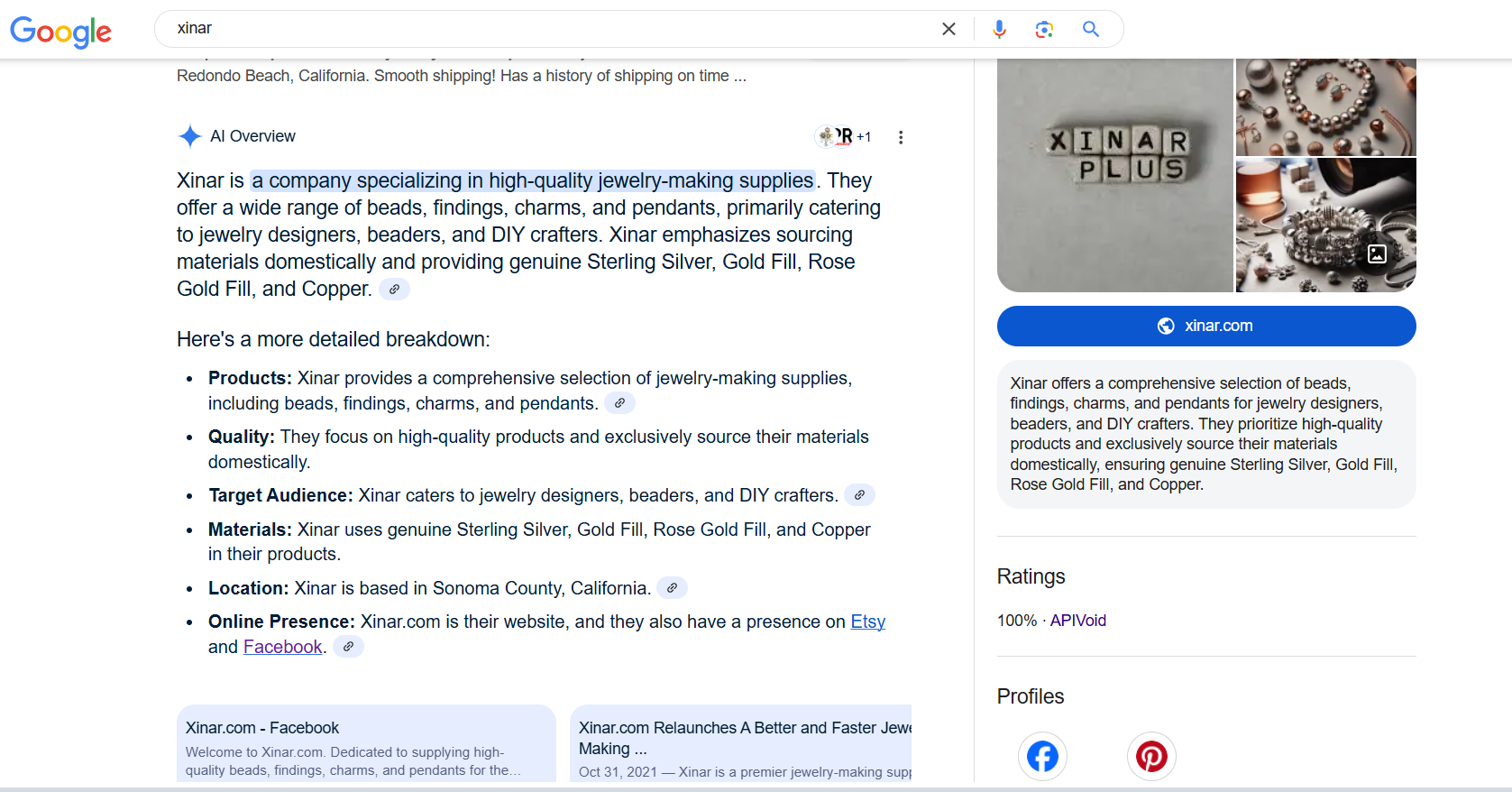



























 Digital Marketing Services and Content Outsourcing Philippines